ROHS Smartwatch Charger Replacement: Safe & Compliant Guide
Learn how to replace a ROHS-compliant smartwatch charger with confidence. This step-by-step guide covers identification, selection, and safe replacement to protect your device and battery.


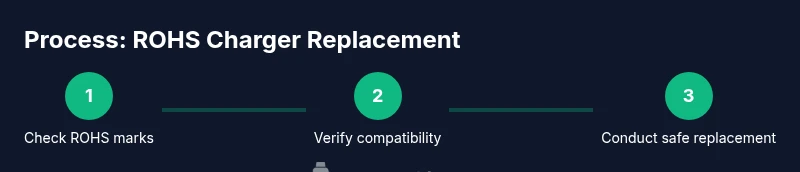
Replace a ROHS smartwatch charger by verifying ROHS compliance, selecting a compatible charger, and following a clear safety-conscious step-by-step process. This quick guide highlights what ROHS means for wearables, how to spot compliant chargers, and how to test the new charger before use.
What ROHS Means for Smartwatch Chargers
According to Smartwatch Facts, ROHS stands for Restriction of Hazardous Substances and sets strict limits on the amount of certain toxic materials used in electronics. For smartwatch chargers, ROHS compliance helps minimize exposure to hazardous components and improves recyclability at end of life. When you’re shopping for a replacement charger, look for explicit ROHS language on the packaging or in the product description. Smartwatch Facts analysis shows that compliant chargers are often accompanied by other safety marks (CE, UL) that indicate broader adherence to safety and environmental standards. This section lays the groundwork to help you identify compliant options and avoid pulling in substandard hardware that could harm your device or void warranties.
Signs a Charger May Not Be ROHS Compliant
Non-ROHS products may feature cheap plastic construction, exposed metal contacts, or vague labeling. Pay attention to smooth metal surfaces with clear, legible markings, proper insulation around cables, and a sealed connector that doesn’t feel loose. If a charger emits an unusual smell, overheats quickly, or shows signs of corrosion near the contacts, stop using it immediately. In addition, if the retailer cannot provide evidence of ROHS marks or third-party testing, treat the charger as non-compliant. These precautions help protect your smartwatch’s charging circuit and extend battery life over the long term.
How to Verify ROHS Compliance on a Replacement Charger
The most reliable way to confirm ROHS compliance is to check for standard compliance logos (ROHS, CE) and to require a certificate of conformity from the supplier. Look for a model or lot number you can trace to a test report from a recognized lab. If you’re buying online, request documentation or search the supplier’s site for a ROHS statement and third-party test results. Smartwatch Facts recommends sticking to reputable sellers who disclose test data and provide a return policy if the product isn’t ROHS-certified. Always verify the charger’s compatibility with your watch’s charging interface and voltage requirements before purchasing.
Choosing the Right ROHS Charger Replacement
When selecting a replacement, ensure the charger head’s connector matches your smartwatch model (magnetic vs. pin-based, USB-C or USB-A if applicable). Check current and voltage ranges to align with the device’s charging spec, typically marked on the watch or original charger. Prioritize chargers with clear ROHS labeling AND additional safety marks (CE, UL). Assess the build quality: strain relief, insulated cables, and robust housing reduce the risk of frayed wires. If you use a third-party charger, verify that it has undergone independent safety testing and that the manufacturer supports your device’s warranty. Practical tips include testing the charger with a low-power device first to observe heat and operation before connecting to your smartwatch.
Safe Handling and Battery Considerations During Replacement
Replacement work can involve lithium-ion cells indirectly through the charging circuitry. Always power down the watch before disconnecting or connecting any charger. Work on an anti-static surface and keep liquids away from electronics. Inspect connectors for dust, debris, or bent pins, which can impede charging or cause arcing. If you notice swelling, vibration, or unusual warmth while charging, stop immediately and seek professional help. Properly dispose of any damaged components through authorized e-waste channels. These safety practices help prevent short circuits and protect both you and your device.
Step-by-Step Replacement Process (Actionable Guide)
- Power down the smartwatch and unplug the charger from the outlet. 2) Remove the device from any protective case to access the charging contacts cleanly. 3) Inspect the old charger for wear, exposed conductors, or loosened connectors. 4) Prepare the new ROHS-compliant charger and ensure it matches the watch’s interface. 5) Align the charger pins with the watch contacts, then connect firmly but gently. 6) Plug the charger into a power source and observe a steady charging indicator on the watch. 7) Monitor for 10–15 minutes for unusual warmth or flickering indicators. 8) If charging is smooth, reassemble any case and store the old charger securely for disposal. 9) Document the replacement, including model numbers and certification marks, in case warranty claims arise.
Common Mistakes and How to Avoid Them
Avoid mixing charger brands, which can lead to mismatched voltages or connector sizes. Don’t force connectors—if it doesn’t fit easily, stop and re-check model compatibility. Don’t ignore heat or irregular charging patterns; these are early warnings of potential damage. Finally, don’t skip documentation; keeping records helps with warranty and future replacements. Smartwatch Facts emphasizes that careful handling and using ROHS-compliant accessories reduce long-term risk to your battery and charging circuitry.
Maintenance Tips to Extend Charger Life
Store chargers in a cool, dry place away from direct sunlight. Use a dedicated charging station to minimize cable stress and avoid yanking or bending the cable near the plug. Clean the contact points periodically with a dry microfiber cloth to remove dust and oils that can impede charging efficiency. If you’re replacing chargers frequently, consider labeling cables by device model to reduce compatibility errors and ensure ROHS-compliant choices. Regular checks can extend life and protect device health.
What to Do After Replacement: Warranty, Recycling, and Next Steps
Keep a copy of the product’s certification details and the retailer’s return policy in case you need documentation for warranty coverage. If the watch is still under warranty, verify that using third-party ROHS-compliant chargers won’t void coverage by reviewing the warranty terms. When disposing of the old charger, follow local e-waste guidelines and recycle it responsibly. Smartwatch Facts suggests periodically reviewing accessory compatibility with your devices to avoid surprises, especially after firmware updates that may alter charging requirements.
Tools & Materials
- ROHS-compliant smartwatch charger (replacement)(Check for ROHS, CE, and, where applicable, UL marks; ensure model compatibility with your watch.)
- Microfiber cloth(Use dry cloth to clean contacts before and after replacement.)
- Isopropyl alcohol (70–99%)(For stubborn grime on connectors; use sparingly.)
- Multimeter (optional)(Can verify output voltage matches watch requirements.)
- Anti-static wrist strap(Helpful when working with sensitive electronics.)
Steps
Estimated time: 30-60 minutes
- 1
Power down and unplug
Power off the smartwatch and unplug the charger from the outlet to prevent any active charging or electrical shock during the replacement. This step minimizes risk to the device and you. Ensure hands are dry and stand on a non-conductive surface.
Tip: Taking a moment to confirm the device is off avoids data or firmware hiccups during the swap. - 2
Inspect the old charger
Examine the old charger for signs of wear, frayed cables, or bent pins. Document any issues with photos in case you need to return the product. Check the connector type to ensure you purchase the exact replacement for your model.
Tip: A quick photo helps with returning or clarifying compatibility later. - 3
Prepare the new charger
Unpack the ROHS-compliant replacement and verify the labeling includes ROHS and any other safety marks. Confirm model compatibility and connector type before attempting the swap.
Tip: Do not power the charger on while handling the internal contacts. - 4
Align and connect
Gently align the charger pins with the watch contacts. Connect firmly but do not force. A misaligned connection can damage pins or the charging circuit.
Tip: If it doesn’t slide in smoothly, recheck orientation rather than applying force. - 5
Test the charging
Plug the replacement charger into a power outlet and observe the watch for a charging indicator. Let it run for a few minutes while monitoring heat and stability.
Tip: Never leave the watch charging unattended for long periods the first few uses. - 6
Inspect for heat and performance
Check for unusual warmth or irregular charging behavior. If you notice excessive heat, discontinue use and reassess the charger’s compatibility or replacement quality.
Tip: Slight warmth is normal; excessive heat is not. - 7
Secure and store
If you plan to reuse the original case or cradle, reassemble carefully. Store the old charger separately for future reference or disposal according to local guidelines.
Tip: Keep a labeled log of the new charger model and its certification details. - 8
Document and warranty alignment
Record the replacement details including model numbers, certification marks, and purchase date. Check your smartwatch warranty terms about third-party chargers.
Tip: This documentation makes warranty claims smoother and future replacements easier.
People Also Ask
Is ROHS mandatory for smartwatch chargers?
ROHS is a widely adopted standard that many manufacturers and retailers use to indicate safety and environmental compliance. While not always mandatory in every region, choosing ROHS-compliant chargers reduces risk of toxic substances exposure and often aligns with warranty expectations.
ROHS compliance is widely adopted and helps ensure safety and environmental responsibility; it’s highly recommended when replacing a smartwatch charger.
Can I use any charger with my smartwatch?
Not all chargers are compatible with every smartwatch. Mismatched voltage, connector type, or current can harm the charging circuit or battery. Always verify model compatibility and look for ROHS marks for safety.
Not every charger fits every watch. Check compatibility and ROHS marks before buying.
How do I verify ROHS on a replacement charger?
Look for ROHS and other safety logos on the charger and packaging. Request a certificate of conformity or test reports from the seller, and confirm model and connector compatibility with your watch.
Check logos, ask for conformity documents, and confirm the fit with your watch before purchasing.
Will using a third-party ROHS charger void my warranty?
It depends on the manufacturer. Some warranties require original or certified third-party chargers. Always check the warranty terms and retain proof of compliance when replacing the charger.
Warranty terms vary; review the policy and keep documentation when using third-party chargers.
What is the best way to dispose of an old charger?
Follow local e-waste guidelines. Many communities offer electronics recycling programs that accept chargers and power accessories.
Recycle old chargers through local e-waste programs to protect the environment.
Watch Video
Key Points
- Choose ROHS-compliant chargers with clear marks.
- Never force a charger; verify model compatibility first.
- Test the charger calmly and monitor for heat.
- Document the replacement and preserve warranty rights.
- Recycle old chargers responsibly.