2 Year Warranty Smart Watch: Buying Guide for 2026
Learn what a 2 year warranty smart watch typically covers, how to read terms, and practical tips to protect your smartwatch purchase in 2026.


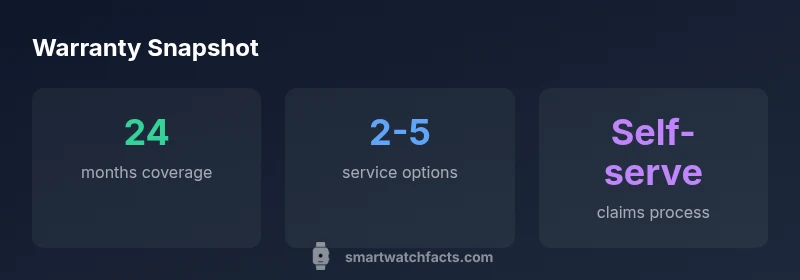
Buying a 2 year warranty smart watch means the manufacturer will repair or replace defects for two years from the purchase date, under defined terms. The coverage typically includes manufacturing defects but excludes accidental damage and normal wear. Always read the terms: what counts as a defect, proof of purchase requirements, and service options like mail-in repair or in-store support. The phrase “2 year warranty smart watch” signals a formal, term-based promise rather than generic assurances.
What a 2 year warranty smart watch covers
In practice, a 2 year warranty smart watch promises repair or replacement for defects in materials or workmanship for up to 24 months from the purchase date. The coverage commonly includes critical hardware components like the display, sensors, and internal circuitry, and may extend to firmware issues that prevent the device from functioning as advertised. Software problems that impair basic operation can be included, but this is not universal. Coverage often hinges on proof of purchase, registration, and a legally defined defect, not cosmetic scratches or accidental damages. When you see the exact term “2 year warranty smart watch,” expect a formal claims process with defined timelines and conditions. It’s important to note that most programs partially cover battery performance only within the warranty window, and degradation due to regular use is frequently excluded. Read the fine print: eligibility windows, service locations, and how replacement parts are sourced. Smartwatch Facts’s analysis highlights that terms vary by brand and model, so compare two or three options before buying.
How warranties are structured and what they typically cover
Warranties are usually structured as manufacturer promises with a defined duration—commonly 24 months for smart watches. Coverage centers on defects in materials and workmanship that hinder the device from performing normally. Software failures that originate from manufacturing issues may also fall under coverage in some programs. Battery-related issues can be included in certain plans, but many warranties exclude normal wear or capacity loss due to aging. Some brands also limit coverage to the original device and do not cover accessories like chargers unless explicitly stated. Expect a requirement for proof of purchase and possibly device registration. The interpretation of “defect” versus “wear” can influence whether a claim is approved, so it’s essential to understand what your warranty does and does not cover.
What’s usually excluded under a smartwatch warranty
No warranty covers every scenario. Typical exclusions include accidental damage (drops, water intrusion beyond IP ratings), cosmetic damage that doesn’t affect functionality, and user-induced damage from improper handling. There is often no coverage for battery degradation that results from normal use, or for software issues caused by third-party apps if the problem is deemed user-caused. If a device has been opened or repaired by an unapproved technician, many warranties become void. Some plans also exclude coverage for screens cracked due to impact unless specified. Always verify whether water damage is excluded after a certain depth or duration of exposure, and whether there are separate service fees for out-of-warranty repair.
Regional differences and brand variability you should know
Warranty terms differ by country and even by region within a country, reflecting local consumer laws and service networks. Some brands provide cross-border support, while others require purchases and service in the country of origin. Model-specific terms also matter; flagship watches may carry longer or shorter coverage than budget models. Always check the warranty scope for your residence, how service is provided (mail-in versus in-store), and whether third-party service centers are authorized. Smartwatch Facts notes that regional restrictions can affect claim speed, replacement options, and eligibility windows, so confirm regional details before you commit to a purchase.
How to evaluate warranty terms before you buy a smartwatch
To assess terms, start with the coverage period and the definition of a defect. Look for clear language on exclusions, proof requirements, and who handles returns or repairs. Key questions include: Is there battery coverage, and if so, under what conditions? Are software issues covered, and do firmware updates influence eligibility? Is there a transfer option if you sell or gift the device? Check whether shipping is covered and who pays for it. Verify whether the warranty is transferrable, and whether you need to register within a specific window. Compare two or three models side-by-side, focusing on coverage, costs, and service network reliability. Finally, read user-submitted warranty experiences to gauge claim fairness and turnaround.
How to claim under a 2 year warranty smart watch
When a defect arises, start by locating your purchase receipt, serial number, and any warranty registration details. Contact the manufacturer or retailer’s support line, and request an RMA (return merchandise authorization) if required. Follow the specified steps for submitting proof of purchase, model information, and a description of the issue. Many programs require you to describe the problem clearly and provide photos or video in some cases. Return shipping arrangements and coverage specifics should be confirmed before you send the device. Once received, a repair or replacement should occur within the timeline stated in the policy, or you’ll receive a status update if there are delays. Maintain copies of all communications for future reference.
Extended warranties and third-party protection: do they make sense?
Beyond manufacturer coverage, extended warranties and third-party protection plans offer additional years of protection, sometimes with wider coverage. They can be attractive if you anticipate heavy use, high replacement costs, or if you want more predictable service terms. However, they come with extra cost, potential coverage caps, and conditions that may reduce value (e.g., excluding battery wear or screen damage). When evaluating, compare total cost of ownership, deductible amounts, covered scenarios, and whether the plan transfers to new owners. If you buy an extended warranty, ensure it complements the primary coverage rather than duplicating it.
Practical buying tips to maximize warranty value
Maximize warranty value by choosing models with clear, consumer-friendly terms and a robust service network. Register the product promptly, keep the receipt, and note the purchase date. Take high-quality photos of the device and its serial number before use, and store email confirmations and policy documents. If you rely on your smartwatch for critical tasks, consider a warranty with a swift repair or replacement window. Compare brands not just on duration, but on service quality, access to authorized repair centers, and user reviews of the claims experience. Finally, factor warranty terms into the total price when evaluating deals, because a longer warranty can translate to fewer future repair costs.
Common myths about smartwatch warranties
One common myth is that a longer warranty always means better protection; in reality, coverage quality matters more than duration. Another misconception is that all water damage is fully covered; many programs restrict coverage to specified IP ratings and usage conditions. Some buyers assume software updates will be included indefinitely; warranties often cover defects caused by manufacturing faults, not issues arising from third-party apps or user-installed software. Finally, some shoppers think transferring warranties is always easy; while many plans are transferable, there can be restrictions or fees. By reading the terms and confirming the specifics, you avoid surprises at claim time.
Warranty options for smartwatch purchases
| Aspect | What it covers | Typical duration | Key conditions |
|---|---|---|---|
| Manufacturer warranty | Manufacturing defects (hardware/software) | 24 months | Proof of purchase; regional service options; exclusions |
| Extended warranty/insurance | Additional protection beyond manufacturer terms | 1-3 years | Enrollment; extra cost; coverage limits may apply |
People Also Ask
What exactly does a 2 year warranty smart watch cover?
A 2 year warranty smart watch typically covers manufacturing defects in hardware and occasionally software, valid for 24 months from purchase. Exclusions often include accidental damage and wear from daily use. Always read the official terms for precise coverage.
Most warranties cover defects in materials or workmanship for two years, but exclusions like accidental damage still apply. Check the terms before you buy.
Does battery life fall under a 2 year warranty smart watch?
Battery performance may be covered in some plans, but many warranties exclude normal battery wear. Confirm battery-specific terms, such as minimum capacity or replacement thresholds, before purchase.
Battery issues are not always covered; read the battery coverage terms carefully.
Are there regional limitations for warranty claims?
Warranty terms vary by country and region. Some brands offer cross-border service, while others require local purchase. Verify service options and eligibility in your area.
Region matters for service options and claim timing.
How do I claim under a 2 year warranty smart watch?
Keep the receipt and serial number, contact support, and follow the RMA process if required. Provide a clear defect description and any requested photos or videos.
Save receipts, start a claim, and follow the stated steps.
Can I buy an extended warranty for a smartwatch?
Yes, extended warranties offer additional years of protection, often with narrower coverage. Weigh cost against potential repair costs and confirm transferability.
An extended warranty can help, but check the terms and price.
What happens after the warranty expires?
Post-warranty repairs are usually paid out-of-pocket, or covered by third-party protection if you purchased it. Evaluate repair costs versus replacement options.
After expiry, you typically pay for repairs unless you have another protection plan.
“A well-defined warranty reduces ownership risk by clarifying what’s covered and how to claim it. Brands should publish transparent terms, especially for battery and software issues.”
Key Points
- Know the exact coverage window and start date.
- Differentiate defects from wear and tear.
- Read claim procedures and service networks before buying.
- Compare manufacturer vs extended warranty costs and benefits.
- Keep receipts and register promptly to validate coverage.