Does Medicare Cover Smart Watches? A Practical Guide for 2026
Explore whether Medicare covers smart watches, when these devices qualify as durable medical equipment (DME), and practical steps to verify eligibility, plan coverage, and costs.


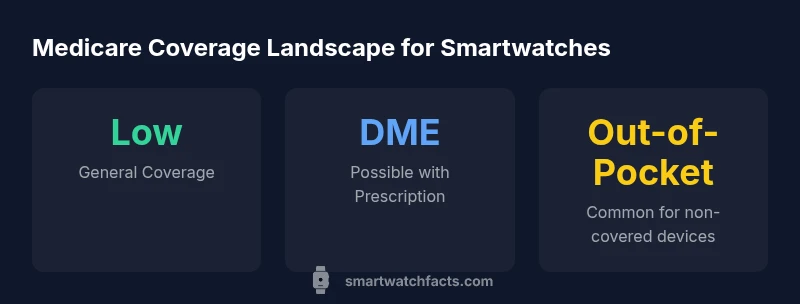
Regarding does medicare cover smart watches, in most cases Medicare does not cover consumer wearables for general wellness. Coverage may occur only if the device qualifies as durable medical equipment (DME) and is prescribed by a clinician, dispensed by a Medicare-approved supplier, and meets DME criteria. For most shoppers, expect out-of-pocket costs unless a specific exception applies.
How Medicare Defines Coverage for Wearables
Medicare generally treats consumer wearables like smart watches as wellness equipment rather than medical devices. This distinction matters for coverage and reimbursement. Under Part B, coverage is typically limited to durable medical equipment (DME) that is prescribed by a clinician and supplied by a Medicare-approved supplier, and that meets medical necessity criteria. The line between fitness tracking and medical use can blur when a device is prescribed to monitor a chronic condition or after a doctor's order. According to Smartwatch Facts analysis, most wearables used solely for hobbyist tracking are not covered. For people exploring does medicare cover smart watches, the practical takeaway is: clarity from your provider and supplier is essential. Smartwatch manufacturers may provide documentation, but final coverage decisions rest with the payer. In short, expect limited coverage unless a precise medical use case exists.
Distinguishing Wellness Targeting vs. Medical-Need Devices
This section explains the clinical vs. consumer roles. Wellness wearables primarily track activity, sleep, heart rate, and other non-urgent metrics. They are widely sold as consumer electronics with no health insurance coverage for routine use. By contrast, DME qualifies when a clinician orders the device to treat or manage a diagnosed medical condition and the supplier participates in Medicare's DMEPOS program. The Smartwatch Facts team notes that the coverage gap often hinges on medical necessity and home use durability. When a device is clearly prescribed to monitor a condition or support rehabilitation, it is evaluated under DME rules rather than wellness coverage. The bottom line: not all health sensors trigger coverage; only medically necessary, prescribed devices through approved suppliers may qualify.
Scenarios Where a Smartwatch Might Qualify as DME
Consider these practical scenarios:
- A clinician prescribes a smartwatch with fall detection and emergency response features for an elderly patient living alone. If the device meets DME criteria and is supplied by an enrolled supplier, coverage discussion begins.
- A patient with a chronic heart condition uses a device to remotely monitor heart rate stability as part of an in-home treatment plan. If the device is deemed necessary and durable, it may fall under Medicare Part B DME.
- A device offered through a Medicare Advantage plan as a covered benefit, with plan-specific rules, might be reimbursable when aligned to medical necessity. Note that coverage, codes, and eligibility vary; always verify with the insurer and the supplier. The key message from Smartwatch Facts is to document medical necessity clearly.
How to Talk to Your Provider and Supplier to Explore Coverage
A proactive, documented approach improves your odds. Steps:
- Talk with your clinician about medical necessity and intended use. 2) Ask the supplier about enrollment in the Medicare DMEPOS program and any required documentation. 3) Request a formal order or prescription that specifies the device, features, and intended use. 4) Confirm coverage with your Medicare plan or through the plan's beneficiary portal. 5) If denied, ask about an appeal or alternative devices that may qualify. The Smartwatch Facts team emphasizes gathering evidence and staying patient during the process.
Costs, Appeals, and Alternatives
Even when a device qualifies as DME, coverage is not guaranteed and deductibles, coinsurance, and limits may apply. For most non-covered wearables, you should prepare for out-of-pocket costs or explore discount programs from manufacturers. If you rely on fitness-tracking features alone, consider non-covered options that fit your budget. You can also compare plans or request an itemized quote from the supplier to understand possible savings. The goal is informed shopping, not surprise bills, and Smartwatch Facts encourages readers to verify all terms before purchasing.
Real-World Scenarios and Getting Prepared
Before buying, gather documentation (doctor's orders, device specifications, supplier enrollment proof) and compare the coverage stance across plans. Real-world cases show that even when a smartwatch is medically indicated, coverage depends on plan-level rules and the supplier's eligibility. If your device is not covered, look for out-of-pocket payment plans, or consider a lower-cost model that still supports essential features. The overall message is practical: understand your coverage, talk to your care team, and document everything. This approach reduces renewal friction and helps you make a smarter choice about does medicare cover smart watches.
Medicare coverage snapshot for smartwatches
| Aspect | Medicare Stance | Notes |
|---|---|---|
| General Wellness Wearables | Not covered by default | Not reimbursed unless prescribed as DME and meeting criteria |
| Durable Medical Equipment (DME) Eligibility | Possible with prescription | Requires medical necessity and a Medicare-enrolled supplier |
| Smartwatches with Health Sensors | Not automatically covered | Only if qualifies as DME and is prescribed |
People Also Ask
Does Medicare cover a smartwatch?
Generally not. Medicare does not cover consumer smart watches for everyday wellness. Coverage is limited to DME with medical necessity, prescribed by a clinician, and provided by an enrolled supplier.
Usually not, unless it's prescribed as a medical device.
What counts as durable medical equipment under Medicare?
DME includes medically necessary devices used at home, prescribed by a clinician, and supplied by enrolled suppliers.
DME means equipment prescribed for medical use.
How can I check if my smartwatch qualifies for coverage?
Ask your clinician for medical justification and check with the supplier about DMEPOS enrollment and plan requirements.
Talk to your doctor and the supplier about DME eligibility.
Are there alternatives if Medicare won't cover a smartwatch?
Yes—consider out-of-pocket purchases, look for discount programs, or other devices that may be covered.
If it's not covered, you can pay out of pocket or look for deals.
Does Medicare Advantage change coverage for wearables?
Coverage varies by plan; some Advantage plans may offer different allowances or restrictions.
Check your specific plan for coverage.
“In the current Medicare framework, a smartwatch can be eligible only when it is medically necessary, prescribed, and supplied by an approved DME supplier; otherwise, coverage is unlikely.”
Key Points
- Verify general coverage status before buying.
- Ask your clinician about DME eligibility if the device is medically necessary.
- Prepare for out-of-pocket costs for most consumer wearables.
- Check with your Medicare plan for plan-specific rules.