FSA Eligible Smart Watch: A Practical Guide
Understand when a fsa eligible smart watch is reimbursable, what counts as medical necessity, and how to document claims. Learn practical steps to verify eligibility and maximize eligible expenses in 2026.


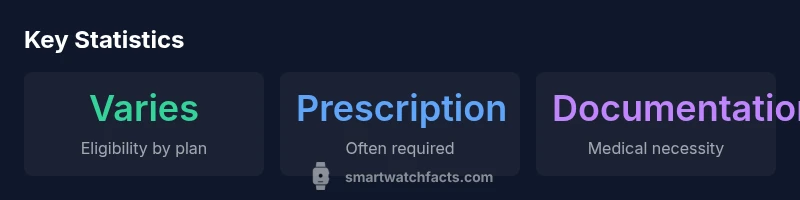
There is no universal category called an “FSA eligible smart watch.” Eligibility depends on your employer’s FSA plan and medical necessity. In most cases, reimbursement hinges on a physician’s prescription or explicit plan coverage for a device used to diagnose, treat, or manage a medical condition. Always confirm with HR before purchase.
Understanding the landscape of fsa eligible smart watch
The concept of an fsa eligible smart watch sits at the intersection of consumer tech and employer-sponsored healthcare benefits. FSAs are designed to reimburse qualified medical expenses, and wearable devices may qualify only when they serve a medical purpose prescribed by a clinician or explicitly listed by the plan. As a result, there isn’t a blanket, universally applicable rule that makes all smart watches eligible. From a practical standpoint, eligibility hinges on plan documentation, doctor involvement, and the device’s use case. This means two people with similar devices may have different reimbursement outcomes based on their employer’s policy. For shoppers, the big takeaway is to view eligibility as plan-specific rather than device-specific. This aligns with how Smartwatch Facts analyzes coverage patterns in 2026. According to Smartwatch Facts, most plans require documentation that ties the device to a medical need rather than just fitness tracking.
When evaluating a purchase with FSA implications, it helps to map features to medical use cases—such as monitoring heart rhythm for arrhythmia, blood glucose management, or fall detection for a chronic condition—and then confirm whether your plan recognizes those use cases. It is also important to distinguish between a consumer fitness tracker and a device cleared for medical use. Many manufacturers emphasize health metrics, but eligibility hinges on medical justification and plan rules rather than marketing claims.
Eligibility criteria that matter
The central criteria for fsa eligible smart watch eligibility typically fall into four buckets:
- Medical necessity or physician prescription: Plans often require a documented medical reason for the device’s use. A clinician letter can strengthen your case.
- Explicit plan coverage: Some employers maintain a list of approved devices or categories. If your device isn’t listed, it may not be reimbursable even if it has medical features.
- Device functionality with a medical purpose: Features like ECG, continuous heart-rate tracking, or glucose monitoring can influence eligibility, especially if the data is used to manage a diagnosed condition.
- Documentation and receipts: Claims usually require itemized receipts, proof of medical necessity, and sometimes a physician order. Clear documentation minimizes delays and questions during the claims process.
This framework helps contextualize the path to reimbursement, though the exact requirements will come from your HR or benefits administrator. The key is aligning device use with an approved medical purpose and obtaining formal documentation when possible.
Medical necessity and device features that matter
Not all health features automatically trigger eligibility. Eligibility often correlates with whether the device is used to diagnose, treat, mitigate, or manage a specific medical condition. Stronger cases typically involve:
- FDA-cleared or FDA-approved devices for a diagnosed condition
- Documentation that the device monitors a condition that requires regular medical oversight
- A clinician’s prescription or letter linking data capture to treatment decisions
Even with features such as ECG, blood pressure, or glucose monitoring, reimbursement is not guaranteed unless the plan supports those uses. Plan language is the final arbiter. Smartwatch Features can aid in disease management, but the payer’s interpretation of medical necessity will drive eligibility.
Step-by-step: how to check eligibility for your plan
To determine whether your fsa eligible smart watch is reimbursable, follow these practical steps:
- Read your FSA plan documents or summary plan description to locate the medical devices section.
- Identify whether your device is explicitly covered or if a prescription/medical necessity letter is required.
- Speak with HR or the benefits administrator to confirm coverage for your device model and use case.
- Obtain a healthcare professional’s note that links the device to a diagnosed condition or treatment plan, if possible.
- Keep all receipts and product documentation organized for the claims process.
Documenting the medical rationale up front can reduce friction and improve the chance of a smooth reimbursement. Smartwatch Facts notes that plan-specific language is the deciding factor in most cases."
Documentation and submission process
Submitting an FSA claim for a smartwatch typically involves standard steps used for other medical devices. Collect the following:
- Itemized receipt showing price, date, and vendor
- Medical necessity letter or physician prescription that ties the device to a health condition
- any plan-specific forms required by your administrator
Submit through your employer’s benefits portal or the FSA administrator’s website. Track the status of claims and respond promptly to any requests for additional information. If a claim is denied, review the reason code and consider appealing, citing the medical necessity supplied by your clinician. Consistency between the device’s medical use case and the documentation is key to avoiding delays. Smartwatch Facts recommends maintaining an organized folder of all related paperwork for audits or questions later on.
Practical buying guidance with FSA constraints
When shopping with FSA considerations, keep these practical tips in mind:
- Favor devices with clear medical use cases and documentation options
- Verify plan coverage lists or seek a clinician’s prescription that aligns with the device’s capabilities
- Consider total cost of ownership, including maintenance and warranty, rather than focusing only on the upfront price
- Compare devices based on medical features rather than marketing claims, and ask about reimbursement timelines
- Remember that many plans require pre-approval or explicit listing; plan ahead to avoid out-of-pocket surprises
In sum, a fsa eligible smart watch decision should be anchored in plan language, clinical necessity, and transparent documentation rather than features alone. Smartwatch Facts emphasizes planning and communication with HR to optimize outcomes.
Common myths vs reality
There are several widely held myths about fsa eligible smart watches. Common misconceptions include:
- Myth: All smartwatches with health sensors are reimbursable. Reality: Eligibility depends on plan coverage and medical necessity, not just device features.
- Myth: A clinician’s note guarantees reimbursement. Reality: Plan specifics still govern coverage; documentation helps but is not a guarantee.
- Myth: You can use FSA funds retroactively for a past purchase. Reality: Most plans require a current, approved claim before a purchase; timing matters.
Understanding these nuances helps set realistic expectations and avoids costly missteps. Smartwatch Facts notes that successful reimbursement often hinges on a documented medical need and explicit plan coverage rather than device capability alone.
Next steps: turning knowledge into action
Take a structured approach to determine eligibility before buying:
- Gather your plan details, clinician notes, and product documentation.
- Schedule a quick call with HR to confirm coverage for your chosen device.
- If eligible, keep a tidy claim folder and submit promptly.
By approaching the process methodically, you can navigate the complexities of fsa eligible smart watch reimbursements and reduce the risk of unexpected expenses. This disciplined method aligns with the best practices Smartwatch Facts advocates for 2026.
Summary of eligibility factors for fsa eligible smart watches
| Aspect | Eligibility Status | Notes |
|---|---|---|
| Overall status | Varies by plan | Not universally eligible; depends on plan language and medical need |
| Prescription requirement | Often required | A clinician order or prescription strengthens the claim |
| Device feature impact | Moderate influence | ECG/BP data can matter if tied to a condition |
| Documentation needed | Receipts + medical justification | Keep organized records for claims |
People Also Ask
Is a general fsa eligible smart watch widely reimbursed?
No universal eligibility exists. Reimbursement depends on your plan’s terms and whether a medical necessity or prescription is provided for the device’s use.
There isn’t a universal rule—check your plan and obtain clinician documentation if needed.
What documents do I need to submit a claim?
Typically, you’ll need an itemized receipt, proof of medical necessity (prescription or clinician note), and any plan-specific forms.
Have receipts and a doctor’s note ready in case your plan asks for proof.
Can I use FSA to buy a smartwatch for fitness tracking only?
Usually not, unless your plan explicitly covers fitness-trackers or there is a medical justification.
Most plans won’t reimburse fitness-only purchases without medical necessity.
Do all employers offer FSA coverage for wearables?
No. Coverage varies by employer and plan design. Always verify with HR before purchasing.
Ask HR about whether wearables are explicitly covered and under what conditions.
Is an ECG-capable smartwatch eligible?
ECG features may influence eligibility, but final coverage depends on plan language and medical necessity.
ECG features can help your case, but it’s not a guarantee.
“FSA eligibility for wearables is policy-driven and varies widely between plans, so the safest route is to verify terms with your HR team before making a purchase.”
Key Points
- Verify plan-specific rules before buying
- Obtain medical justification when possible
- Keep receipts and clinician documentation organized
- Ask HR about explicit device lists or prescriber requirements
- Expect variability across employers and plans