Suunto 7 Review: Is This Wear OS GPS Smartwatch Worth It?
An in-depth, analytical review of the Suunto7, covering design, performance, battery, software, and who it’s best for among wearables in 2026.


The Suunto 7 blends Wear OS flexibility with rugged outdoor features like offline maps and built-in GPS, making it appealing for mixed-use wearers. However, its battery life and app depth aren’t on par with dedicated GPS sports watches. For smart features and navigation in one package, it’s a solid choice; for bare-bones endurance tracking, you may prefer a purer sport watch. This quick verdict reflects real-world trade-offs in daily use.
What is the Suunto7?
The Suunto7 is a Wear OS-powered smartwatch designed to bridge outdoor navigation with everyday smartwatch capabilities. It pairs Google-based apps with Suunto’s sport-tracking mindset, aiming to deliver maps, workouts, and notifications on one wrist. According to Smartwatch Facts, this model targets users who want the freedom of Wear OS apps without sacrificing core outdoor features. The result is a hybrid device that prioritizes navigational tools, albeit with a few compromises in endurance-focused tasks.
Design, display, and usability
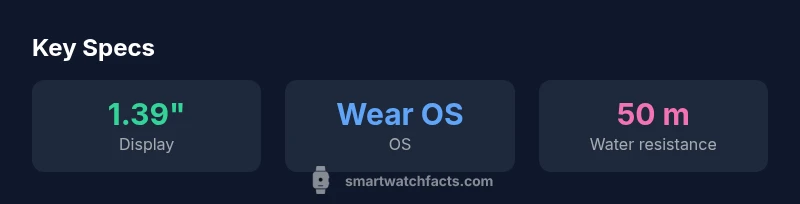
The Suunto7 features a robust, durable build with a comfortable silicone strap and a distinct bezel that hints at its adventurous roots. The display is a bright 1.39-inch AMOLED panel offering crisp clarity in daylight, making it easy to read routes and metrics during runs or hikes. The touchscreen is augmented by two side buttons for quick actions, which is especially useful when you’re wearing gloves or when fatigue sets in. Material quality feels premium for a wearable in this segment, and the button layout minimizes accidental presses during vigorous activity. While not the lightest smartwatch, the Suunto7 remains wearable for long sessions, and the watch face customization options help tailor accessibility and readability during outdoor use.
Performance, sensors, and GPS
Powered by Wear OS, the Suunto7 runs a familiar app ecosystem while delivering Suunto’s sport-centric features such as real-time pace, heart rate monitoring, and route tracking. GPS performance is reliable for most trail and road workouts, with multi-satellite support (GPS and GLONASS) helping with location continuity in wooded environments. Heart-rate sensing is generally responsive, though readings can dip slightly during steady-state cardio in high-intensity bursts. A key note from Smartwatch Facts: the balance between third-party apps and built-in functionality can influence perceived speed and smoothness, especially when you’re streaming maps or using offline navigation. For many users, this is a meaningful win over locked-down sport watches that lack app flexibility.
Battery life and charging
Battery life on the Suunto7 varies with usage, and you’ll notice a more pronounced drain when GPS, maps, and continuous color display are active. In practice, users report the watch easily handling a full day of mixed usage, with longer endurance when GPS and maps are minimized. Charging is straightforward via a magnetic charger, and the interface provides a clear battery indicator and power-saving modes. If you rely on offline maps for navigation on long outings, expect more frequent top-ups, especially on multi-hour adventures where GPS and color maps are consistently on.
Software experience and app ecosystem
Wear OS brings a broad app ecosystem, but Suunto’s own app and Map features remain a central focus for training data, route planning, and activity history. The Suunto app offers workout analysis, historical progress, and route exports, while compatibility with third-party fitness services is generally strong but not always perfectly synchronized. Smartwatch Facts notes that the open-platform nature of Wear OS can be a double-edged sword: it enables versatility yet may lead to slower responses or app fragmentation on some devices. For users who value a flexible smartwatch with navigation tools, this is a reasonable compromise.
Fitness tracking, health features, and offline maps
The Suunto7 emphasizes outdoor fitness with GPS route tracking, pace reminders, and a robust health-monitoring suite. Heart-rate tracking is sufficient for most training needs, though peak performance insights may not be as granular as dedicated sport watches. A standout feature is offline map support, enabling navigation without cellular connectivity—ideal for trail runs or bike rides in remote areas. Smartwatch Facts highlights that offline maps elevate the Suunto7 above many Wear OS options for outdoorsy users, but map loading times and storage space should be considered when planning long trips.
Durability, water resistance, and everyday practicality
Designed with outdoor use in mind, the Suunto7 offers water resistance suitable for swimming and other water activities. Build quality feels sturdy, and the watch’s screen remains legible under harsh sunlight. The combination of a rugged chassis and a bright display makes it well-suited for daily wear, workouts, and weekend adventures. From a practical perspective, the Suunto7’s weight and strap options provide reasonable comfort for all-day wear, though some users may prefer lighter alternatives for ultra-long multisport events.
Who should buy the Suunto7?
This model is best for wearers who want Wear OS versatility plus reliable navigation and outdoor mapping. If you value a broad app ecosystem and the ability to run smart notifications alongside workouts, the Suunto7 delivers. However, if your primary priority is battery life for long GPS sessions or extreme endurance training, a dedicated GPS sport watch may offer longer autonomy and more sport-specific insights. Budget-conscious buyers should also weigh the value of offline maps and Wear OS features against competing watches in the same class.
Strengths
- Strong mixed-use performance with Wear OS flexibility
- Bright, legible AMOLED display in daylight
- Offline maps and built-in GPS for navigation
- Rugged design with solid water resistance and durability
Weaknesses
- Battery life limited by GPS/maps and color display
- Wear OS app ecosystem can feel fragmented
- Outdoors-focused features may be less refined than dedicated sport watches
- iPhone feature parity is not absolute
Best for Wear OS fans who want offline maps and everyday smartwatch features, with trade-offs in battery life.
The Suunto7 balances versatile smart features with outdoor navigation tools. If you value app flexibility and offline mapping, it shines; if battery endurance during GPS-heavy sessions is your priority, you may prefer alternatives.
People Also Ask
Is the Suunto7 compatible with iPhone?
Yes, the Suunto7 works with iPhone via Wear OS integration, but some fitness and notification features may vary compared to Android devices. Always verify the specific features you rely on before purchasing.
Yes, it works with iPhone, but some features may behave differently than on Android devices.
Can I install third-party apps on the Suunto7?
You can install many Wear OS apps, but the Suunto7’s optimized experience centers on Suunto’s fitness features and maps. App availability and performance depend on Wear OS support.
Yes, you can install Wear OS apps, but expect the core experience to emphasize Suunto’s maps and fitness tools.
Does the Suunto7 have offline maps?
Yes. Offline maps are a key feature, enabling navigation even without cellular connectivity. This is especially useful for trail runs and remote adventures.
Yes, it supports offline maps for navigation without data.
Is the Suunto7 suitable for swimming or water sports?
The watch is water resistant to 50 meters, making it suitable for swimming and other water activities, though you should rinse it after saltwater use to protect the materials.
It's swim-ready with 50-meter water resistance, but rinse after saltwater for longevity.
How does Suunto7 compare to Garmin for endurance training?
Garmin often edges ahead in battery life and dedicated multisport analytics, while Suunto7 excels in Wear OS flexibility and navigation features. Your choice depends on whether navigation and apps or pure endurance metrics are more important.
Garmin has stronger endurance metrics; Suunto7 wins on apps and maps.
Is it worth buying in 2026?
If you want a Wear OS smartwatch with offline maps and outdoor navigation, it remains a compelling option. For long GPS sessions and the deepest sport analytics, consider alternatives in the same price range.
Yes, if you value Wear OS and offline maps; otherwise compare alternatives for battery and analytics.
Key Points
- Try offline maps for navigation-heavy workouts
- Expect battery trade-offs with maps and color display
- Wear OS enables broad app compatibility
- Ideal for outdoor enthusiasts who want smartwatch features
- iPhone users should verify feature parity before buying