How to Adjust a Smartwatch Strap: A Practical Guide
Learn how to adjust any smartwatch strap for a secure, comfortable fit. This step-by-step guide covers tool-free and tool-assisted methods, safety tips, and maintenance to keep your wearables snug and accurate.


By the end of this guide, you’ll know how to adjust a smartwatch strap for comfort and security across common strap types. The steps cover tool-free adjustments (slip-on bands) and tool-required methods (screw pins and link removals), plus fit checks and safety tips. Gather the basics: the watch, the strap, and a small, clean workspace to begin.
Why strap fit matters for daily wear and health
A properly adjusted smartwatch strap improves comfort, skin health, and sensor accuracy. If a strap is too loose, the device can slip, causing cursor or heart-rate sensor misreadings during workouts. If it’s too tight, you may experience skin irritation, restricted blood flow, or discomfort after hours of wear. For most wrists, aim for a snug fit that allows a single finger to slide between the strap and your skin. Different strap materials—silicone, leather, nylon, or metal—have distinct adjustment needs, and the goal is to maintain sensor alignment while keeping the band secure. In practice, you’ll check the fit after adjustments by moving your wrist through typical motions and noting any pinch points or slide risk. The Smartwatch Facts team notes that a well-fitted strap not only improves comfort but also sustains sensor performance during exercise and sleep tracking.
Strap types and how they affect adjustment
Smartwatch straps come in several families, each with unique adjustment mechanisms. Silicone and fluoroelastomer bands often rely on holes or quick-release pins for length adjustment, and they’re forgiving for micro-tine tweaks. Leather bands typically use pre-punched holes or a deployant clasp, requiring careful re-sizing to preserve aesthetics and wearability. Metal link bracelets enable precise sizing by removing or adding links, but the process demands more care to avoid scratching the case or damaging pins. NATO and fabric straps may use buckle adjustments or sliding keepers. Regardless of type, start with a gentle check of current fit, then decide whether you’ll adjust just the length, or if you need to modify the attachment method (quick-release, pins, or links).
Tools and safety prerequisites
Before you begin, ensure you have a clean, well-lit workspace, a soft cloth to protect the watch face, and the appropriate tool set for your strap type. For quick-release and buckle adjustments, you usually need no tools, but for metal links or screw pins you’ll require a spring bar tool, pin pusher, or a small precision screwdriver. Always work on a non-slip surface to prevent drops. Keep away from moisture and avoid over-tightening, which can impair sensor readings and skin comfort. If you notice any corrosion on metal pins or excessive wear on the strap, consider replacing the band or seeking professional help. Safety first: remove jewelry that could snag during disassembly, and use slow, deliberate motions to minimize the risk of scratching the case or damaging the strap anchors.
Step-by-step: tool-free adjustments (slip-on bands)
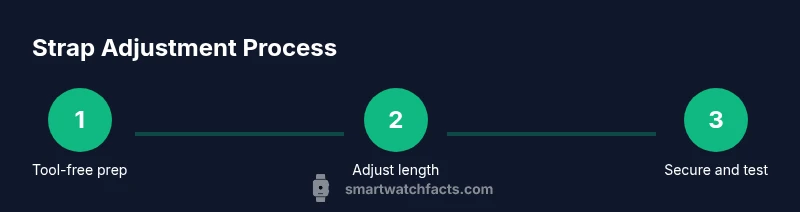
For straps with quick-release pins or simple buckles, you can adjust length without tools. Step-by-step: locate the quick-release lever or buckle, press or lift to free the strap, reposition to the nearest notch, then re-seat and test the fit. Always confirm the strap sits flat without twisting, and verify that the sensor window remains unobstructed. If your band has a two-piece design, ensure both ends are equally snug. The key is small, incremental changes—test, wear, and re-test until comfortable. Pro-tip: keep a small mirror handy to check the underside near your wrist for accidental folds that could irritate the skin.
Step-by-step: pin-and-link adjustments for metal bands
Metal link bracelets require careful removal of links to shorten or add length. Start by identifying removable links (often indicated by tiny arrows on the links). Position the bracelet in a vise-like setup or hold it steady with a specialized tool. Remove a single link first and reassemble briefly to test fit. If needed, remove another link in small increments. Reattach the clasp and ensure the pin seating is flush. Take your time: rushing can scratch the case or misalign the clasp. Remember to re-check sensor alignment after any resizing, especially if the watch rides higher on the wrist.
Step-by-step: final fit check and sensor alignment
After any adjustment, perform a full fit test. Bend the wrist naturally, shake it, and perform a few movements typical of daily activity to confirm there’s no slipping. Confirm that the heart-rate sensor has a clear path to the skin and isn’t obstructed by the strap. Re-tighten if necessary, but do not exceed the manufacturer’s recommended strap tension. If you notice battery drain or sensor drift after adjustment, re-check the fit and consider whether the strap material is compatible with your skin and activity level.
Common mistakes and how to avoid them
Common mistakes include tightening too much, rushing link removals, and using improper tools that scratch the case or pins. Avoid twisting the strap during reattachment, as this creates uneven pressure and may cause discomfort. Don’t attempt to adjust while the strap is wet or dirty; moisture and grime can degrade materials and edges. Always inspect for sharp edges on pin ends after reassembly and ensure the clasp seats securely before resuming activity.
Maintenance after adjustment and care tips
To extend strap life, clean after adjustments with a soft cloth dampened with mild soap and water, then dry thoroughly. Leather straps benefit from conditioning or occasional rotation to avoid deterioration from sweat or moisture. For metal bands, wipe pins and links to prevent corrosion and check spring bars regularly for wiggle or play. Store watches away from extreme heat or direct sunlight, which can affect both strap material and watch seals.
Quick-fit checks and professional help when needed
If the strap feels inconsistent after repeated adjustments or you notice persistent pin loosening, consult a professional. A certified watch technician can safely resize metal bands or replace worn pins without risking the case or glass. For common wearers, keeping an extra set of pins or links on hand can reduce downtime. Regular checks after workouts help ensure continued comfort and accurate sensor readings.
Tools & Materials
- watch strap removal tool or spring bar tool(Essential for metal links and secure pin work)
- pin pusher or precision screwdriver(For removing/storing small pins safely)
- soft microfiber cloth(Protects the screen and strap during adjustments)
- replacement pins/links (optional)(Keep on hand for immediate sizing changes)
- clean workspace or mat(Prevents scratches and slips)
Steps
Estimated time: 30-60 minutes
- 1
Prepare workspace and wrist measurement
Set up a clean, soft surface and remove any jewelry. Place the watch face up and loosely measure your wrist to estimate strap length. Decide whether you’ll resize by lengthening or shortening the band, or by adjusting a buckle/ clasp before you begin.
Tip: Use a mirror or camera to verify alignment with the sensor window. - 2
Check strap type and tool needs
Identify if your band uses quick-release pins, a buckle, or a screw link system. Quick-release and buckle adjustments require little to no tools, but screw links or pins need a spring bar tool and precision screwdrivers for safe handling.
Tip: Inspect for visible pins, arrows, or small notches indicating removable parts. - 3
Adjust tool-free strap length
For tool-free bands, slide the strap end out of the keeper, reposition to a closer or farther notch, and reinsert. Test the fit by gently pressing the strap to ensure it lies flat and does not pinch the skin.
Tip: Do this in small increments—wait a moment to feel if the fit remains comfortable. - 4
Resize metal bands with links
If the band uses removable links, remove one link at a time using the pin pusher or a spring bar tool. Reassemble, then attach the clasp and verify the overall fit by rotating your wrist and checking the sensor clearance.
Tip: Keep removed links in a safe container to avoid misplacement. - 5
Final fit check and sensor alignment
Wear the watch and simulate typical motion. Confirm the strap feels secure but not constricting and ensure the heart-rate sensor has direct skin contact. Re-tighten or loosen as needed within manufacturer guidelines.
Tip: If sensors drift, re-check the fit before diagnosing device issues.
People Also Ask
Do all smartwatch straps adjust the same way?
No. Adjustments vary by strap type. Quick-release and buckle bands are usually tool-free, while metal link bracelets require pin or screw adjustments. Leather straps use holes or deployant clasps. Always follow the band’s design for safe resizing.
No. Strap adjustments depend on the type. Quick-release bands are often tool-free, while metal links need pins or screws.
Can I adjust a leather strap without tools?
Leather straps with pre-punched holes or deployant clasps can often be adjusted by choosing a different hole or repositioning the clasp. If the strap uses a hidden mechanism, you may need a small screwdriver. Always check the manufacturer’s guide.
Leather straps can be adjusted by hole selection or clasp position, sometimes without tools, but check the guide.
How often should I adjust my strap?
Adjustments depend on activity and wear. Recheck fit after workouts and during routine use. Re-tighten or loosen as needed to keep sensors accurate and comfort high.
Check after workouts and regular use, adjust as needed for comfort and sensor accuracy.
What if I can’t remove links on a metal band?
If you can’t remove links safely, seek a professional jeweler or watch technician. They can resize without risking damage to the case or pins and ensure the clasp remains secure.
If you can’t remove links safely, get a professional resize.
Is it safe to adjust the strap while wearing the watch?
It’s best to remove the watch or support the band while adjusting. This minimizes the risk of dropping the watch or injuring fingers. If you must adjust on the go, use quick-release bands that don’t require tools.
Prefer removing the watch, but quick-release bands can help in a pinch.
How tight should the strap be?
The strap should be snug but comfortable, allowing a finger’s width of space between the strap and skin. Sensor readings should remain stable without restricting blood flow.
It should be snug, not tight, with room for a finger under the strap.
Watch Video
Key Points
- Check fit with a finger's width allowance
- Identify strap type before starting
- Use proper tools for metal bands
- Test sensor contact after each adjustment
- Keep replacement parts organized and safe