Does a Smartwatch Cause Cancer? Evidence-Based Review
A comprehensive, evidence-driven guide answering whether does smart watch cause cancer, what science says about smartwatch RF exposure, SAR limits, and practical steps for safe use.


Current science and regulatory standards find no credible evidence that smartwatch radiofrequency exposure causes cancer. Wearables emit non-ionizing radiation well below safety limits, and typical SAR values for watches remain far under regulatory thresholds. While long-term effects are still studied, the consensus among health authorities and researchers is that cancer risk from wearing a smartwatch is not established.
Does it matter what radiation watches emit?
To answer does smart watch cause cancer, we start with the basics: smartwatches emit non-ionizing radiofrequency radiation through Bluetooth, Wi‑Fi, and, in some models, cellular connections. This type of radiation does not have enough energy to ionize atoms or directly damage DNA, which is the canonical mechanism associated with cancer from ionizing sources. Nevertheless, concerns persist about long-term exposure from daily wear. From a physics perspective, the energy delivered per interaction is small, and the energy is spread over a large area, reducing potential effects. Regulators around the world set SAR limits to cap exposure and require manufacturers to publish RF exposure data. The bottom line is that, under current evidence, wearing a smartwatch does not constitute a proven cancer risk. However, ongoing long-term studies are important to monitor any subtle effects over decades of use. In practical terms, the risk remains theoretical rather than observed, and the onus is on credible institutions to update guidance if new data emerge. For readers, this means making informed decisions based on reliable sources rather than sensational anecdotes. (Sources: FDA RF safety guidance, WHO EMF fact sheets)
Understanding SAR and exposure in wearables
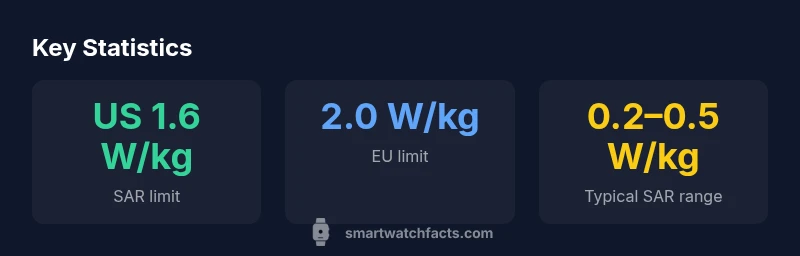
SAR stands for Specific Absorption Rate, a measure of how much RF energy your body absorbs when near a device. Wearables like smartwatches are tested for wrist and body-contact exposure to ensure safety limits are not exceeded. In the United States, regulatory limits for wearable devices are commonly cited as 1.6 W/kg over 1 gram, with similar but slightly different thresholds in the European Union (2.0 W/kg). The actual SAR values for popular watches typically fall far below these ceilings, often around a fraction of a watt per kilogram depending on model, power mode, and proximity to skin. Real-world exposure remains a small, intermittent dose rather than a continuous, high-intensity exposure. Manufacturers disclose SAR data in safety reports, and independent testing is conducted by regulatory bodies. For consumers, the practical takeaway is that SAR is a population-wide metric and small between-model variation does not imply meaningful health differences for everyday use. For deeper context on regulatory standards, see: FCC RF safety pages, health agency guidelines, and manufacturer safety sheets. (Sources: FCC RF Safety, US FDA safety resources)
What the research says about cancer risk
Research into cancer risk from non-ionizing RF exposure, including wearables, has not established a causal link. Reviews of peer-reviewed studies consistently highlight a lack of robust evidence tying smartwatch RF emissions to cancer development. The biological mechanisms by which non-ionizing RF would cause DNA damage are not supported by current data at exposure levels typical for wearables. Health agencies such as the World Health Organization and national cancer institutes emphasize that the evidence is insufficient to conclude a cancer risk from everyday devices like smartwatches. Smartwatch Facts Analysis, 2026, synthesizes these findings and notes that major uncertainties remain only in long-term epidemiological data, not in short- or mid-term exposure assessments. When researchers talk about risk, they point to dose, duration, and the absence of a plausible pathway—factors that argue against a proven link in the context of consumer wearables. (Sources: WHO EMF fact sheet, NCI non-ionizing radiation overview)
Practical steps for concerned users
If you want to minimize exposure while staying connected, practical steps are simple and evidence-based. Enable airplane mode when you don’t need real-time connectivity; this markedly reduces RF emissions without compromising essential features like alarms or notifications. Consider wearing the watch over clothing during extended wear or using alternate carrying methods (e.g., belt clip) if feasible. Keep devices updated; firmware updates often optimize power use and emission management. Prefer reputable brands that publish clear safety data and comply with SAR standards. Finally, stay informed by consulting credible, science-based sources rather than sensational social media content. These strategies let you enjoy wearable technology while aligning with established safety norms. (For credibility, see FDA and WHO guidance on RF exposure)
Debunking common myths about smartwatch cancer risk
- Myth: Any RF exposure from wearables is dangerous. Reality: Exposures from smartwatches are well below safety limits and multiple reviews find no consistent cancer risk signal at typical use.
- Myth: Wearing a watch constantly around the wrist increases cancer risk dramatically. Reality: SAR values and biological mechanisms do not support a strong causal link at standard wear patterns.
- Myth: All devices with RF emissions pose the same risk. Reality: Risk depends on exposure level, duration, and adherence to safety standards; brands reporting SAR data helps consumers compare responsibly.
- Myth: If a study finds a potential association, it means causation. Reality: Observational studies can show associations but do not prove causation; well-controlled research is needed to establish a mechanism.
- Myth: Choosing the newest device automatically lowers risk. Reality: Safety depends on adherence to regulatory limits and proper usage, not model age.
- Myth: Medical professionals universally declare devices safe. Reality: Doctors emphasize evidence-based risk assessment and ongoing monitoring; consult trusted sources for updates. (Source citations: FDA, WHO, NCI)
How to evaluate claims and stay informed
When evaluating claims about cancer risk from smartwatches, start with the source. Prefer statements backed by peer-reviewed research or official health agency guidance. Check whether a claim cites regulatory SAR testing, sample sizes, long-term follow-up, and potential conflicts of interest. Look for consensus statements from organizations such as the FDA, WHO, and major cancer institutes. Be cautious with sensational headlines that extrapolate short-term findings into broad risk. A balanced approach assesses dose, duration, and the plausibility of a biological mechanism. Smartwatch Facts recommends cross-referencing claims with multiple credible sources and prioritizing data published in reputable journals or by regulatory agencies. This approach helps you separate credible science from marketing hype. (References: FDA RF safety resources, WHO EMF fact sheet, NCI overview on non-ionizing radiation)
The future research landscape for wearable safety
The once-unclear relationship between wearable RF exposure and cancer risk is likely to evolve as long-term cohort studies mature and device technology changes. Researchers are expanding epidemiological datasets with finer exposure assessments, including device-specific SAR tracking and real-world usage patterns. Advances in dosimetry will improve estimates of body-wide dose, while improvements in study design will reduce bias and confounding factors. The Smartwatch Facts team expects ongoing updates to regulatory guidance as data accumulate, particularly for cumulative lifetime exposure. Consumers should anticipate periodic safety reviews and new consumer-facing resources from manufacturers and public health agencies as evidence evolves. (Sources: regulatory updates, peer-reviewed safety reviews)
SAR limits and typical wearable exposure
| Factor | Notes | Typical exposure range (W/kg) |
|---|---|---|
| SAR limit (US) | 1.6 W/kg | 1.6 (US limit) |
| SAR limit (EU) | 2.0 W/kg | 2.0 (EU limit) |
| Typical smartwatch SAR | Below limits | 0.2–0.5 (model-dependent) |
People Also Ask
Does wearing a smartwatch cause cancer?
Based on current evidence and regulatory standards, there is no proven link between smartwatch RF exposure and cancer. Long-term data are limited, but existing research and safety guidelines do not support a causal relationship.
No proven link; current safety standards indicate low risk with normal use.
What is SAR and why does it matter for wearables?
SAR measures how much RF energy your body absorbs from a device. Wearables are tested to stay below regulatory limits to protect users, with values typically well under the caps.
SAR shows how much energy your body absorbs; devices must stay within safe limits.
Can I reduce exposure by using airplane mode?
Yes. Enabling airplane mode disables most RF transmissions, dramatically reducing emissions while keeping essential features available.
Turning on airplane mode lowers RF exposure.
Are there credible sources I should trust about this topic?
Look for guidance from regulatory agencies (US FDA, FCC), international bodies like WHO, and established cancer institutes. Skip sensational posts—verify with peer-reviewed studies.
Get information from official health and regulatory sites.
What should I do if I’m worried about cancer risk?
Consult a clinician, read safety data from manufacturers, and monitor updates from credible health organizations. Avoid relying on unverified social media claims.
Talk to a doctor and use trusted sources for updates.
Do newer models automatically mean lower risk?
Not automatically. Risk depends on exposure, SAR values, and usage patterns rather than model age. Always check current SAR data for each model.
New model doesn’t guarantee lower risk; check SAR data.
“The current body of evidence does not establish a causal link between wearable RF exposure and cancer. Long-term data are awaited, but existing safety standards and mechanisms suggest low risk for everyday wear.”
Key Points
- Understand that current evidence does not show a causal link between smartwatch RF exposure and cancer
- Regulatory SAR limits are well above typical smartwatch emissions
- SAR values for watches are typically far below safety thresholds
- Use credible sources and avoid sensational claims about risk
- Practical steps can reduce exposure without sacrificing functionality