How Smart Watches Measure Oxygen Level: A Practical Guide
Learn how smart watch measure oxygen level (SpO2) using optical sensors, what affects accuracy, and practical steps to get reliable readings. A comprehensive buying guide for smartwatch buyers and tech enthusiasts.


How smart watch measure oxygen level is explained here: smartwatches estimate blood oxygen saturation (SpO2) using optical sensors and light-based measurements, then apply algorithms to convert signals into a readable percentage. You’ll learn what influences accuracy, how to obtain reliable readings, and how to use the data without alarming yourself. A compatible device, proper wear, and a steady reading environment are key to meaningful trends.
How smart watches measure oxygen level
The phrase how smart watch measure oxygen level refers to estimating blood oxygen saturation (SpO2) using a wearable’s sensors. Most modern smartwatches rely on photoplethysmography (PPG): a light-based method that shines LEDs into the skin and measures how much light is reflected back. The amount of reflected light changes with the pulsatile volume of blood, enabling an estimate of oxygenated versus deoxygenated hemoglobin. Because wearables must translate light signals into a physiological value, a mix of sensor hardware, signal processing, and proprietary software plays a crucial role in the final SpO2 reading. As with any wearable metric, readings are best interpreted as trends over time rather than single, absolute numbers.
How SpO2 sensing works: the science behind it
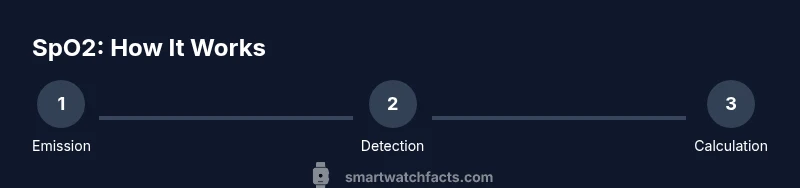
SpO2 sensing hinges on the interaction between light and tissue. When light from LEDs (usually red and infrared) penetrates the skin, it is absorbed by blood. Oxygenated and deoxygenated hemoglobin absorb light differently, and the sensor captures the returning light to estimate the proportion of oxygen-saturated hemoglobin. The watch’s processor then uses baseline calibration and motion compensation to convert this optical signal into a SpO2 percentage. This method is convenient for continuous monitoring but depends on skin contact, blood perfusion, and movement, which can affect accuracy. Brands iterate on algorithms, smoothing irregularities and filtering noise to yield more stable readings over time.
The hardware stack: PPG sensors, LEDs, and photodiodes
At the core, a smartwatch that measures SpO2 integrates PPG sensors with multiple LEDs (often red and infrared) and a photodiode to detect reflected light. The LEDs illuminate the skin, typically at the underside of the watch near the wrist, and the photodiode captures the light that returns. The device computes an SpO2 estimate from the ratio of absorbed light across different wavelengths. Some watches also incorporate auxiliary sensors, such as a heart-rate monitor and accelerometer, to improve signal quality by detecting motion and adjusting the algorithm in real time. The result is a live readout that can be synchronized to a companion app for historical tracking.
Factors that impact readings
Reading accuracy can be influenced by several variables. Movement, improper fit, and cold skin can introduce motion artifacts or venous pulsations that distort the signal. Skin tone, finger pressure, and ambient light can also affect the optical path, causing variation between devices and even within the same user over time. Because devices use approximate models rather than direct arterial sampling, readings should be viewed as estimates. Manufacturers typically provide guidance on optimal wear position, skin contact, and measurement protocol to minimize distortions.
Reading tips: how to measure accurately at home
To improve reliability, start by ensuring a snug but comfortable fit, with the sensor directly under the wrist skin and no jewelry obstructing light paths. Remain still during measurement, ideally seated with your forearm supported. Take several readings over a few minutes and look for consistent results rather than a single value. Avoid measuring immediately after vigorous activity or in very cold environments. If you are monitoring a health concern, track trends over days rather than relying on one-off values.
Interpreting readings: what numbers mean in daily life
SpO2 values typically fall into a broad physiological range under normal conditions. Readings near 95–100% are commonly observed in healthy individuals, while lower values may indicate reduced oxygenation or temporary factors like movement or cold fingers. It is essential to recognize that wearable SpO2 is a screening measure, not a diagnostic test. If readings drop persistently below a watchlisted threshold or you experience symptoms, consult a healthcare professional for a medical evaluation.
Brand differences in hardware and algorithms
Different brands employ varying light wavelengths, sensor placements, and signal-processing pipelines. Some devices emphasize speed, delivering a quick approximate reading, while others prioritize stability and trend accuracy over several minutes. Algorithmic calibration, user profiles, and firmware updates can all shift readings slightly between models. When shopping, compare not just the raw SpO2 numbers but also readouts of variability, average values over time, and how the app visualizes trends.
Using SpO2 data for health decisions
SpO2 data can inform daily wellness routines, endurance training, and pre-screening for respiratory concerns. Use it as a barometer of changes in your body rather than a definitive health diagnosis. Seasonal patterns, altitude, or illness can influence readings. For people with known respiratory or cardiovascular conditions, wearable SpO2 is a supplementary data point and should be discussed with a clinician as part of comprehensive care.
Buying tips for SpO2-capable smartwatches
When selecting a smartwatch for oxygen monitoring, prioritize sensor quality, a comfortable form factor, a clear display for quick reads, and a robust companion app with trend analysis. Look for watches with proven endurance in low-light conditions and reliable skin-contact performance. Examine recent firmware updates and peer reviews focusing on SpO2 reliability, and consider models that offer multi-parameter health dashboards to integrate SpO2 with heart rate, sleep, and activity data.
Authoritative sources and safety notes
For deeper understanding and validation, consult authoritative sources on respiratory health and wearable technology. The information here aims to help you understand how SpO2 readings in wearables function and should be used. Always corroborate wearable data with professional medical guidance when concerns arise. This section provides links to trusted health resources and manufacturer documentation to empower informed decisions.
Tools & Materials
- Smartwatch with SpO2 sensor(Check underside sensor area and ensure the watch model explicitly supports SpO2 measurements.)
- Fully charged device(Battery level should be sufficient to run multiple measurements without interruptions.)
- Smartphone with companion health app(Needed to sync data, view trends, and export results for longer-term tracking.)
- Stable seating/wrist position(Reduces motion artifacts during measurement.)
- Environment with steady lighting and comfortable conditions(Ambient conditions can influence sensor readings; indoor, stable lighting is preferable.)
Steps
Estimated time: 15-25 minutes
- 1
Verify device compatibility
Check that your smartwatch explicitly supports SpO2 measurement and that the feature is enabled in settings. If needed, update the firmware to ensure the latest signal-processing improvements are active.
Tip: Review the official spec sheet or user manual to confirm supported sensors and required firmware version. - 2
Prepare your wrist and environment
Sit with your forearm supported and the watch snug but comfortable. Remove anything that might press on the sensor and ensure your wrist is clean and dry for optimal light transmission.
Tip: Avoid measuring over layers of clothing or jewelry that could block light. - 3
Position the watch correctly
Place the sensor directly against the underside of the wrist, not on top of a sleeve. Allow a moment for the sensor to stabilize after putting the watch on.
Tip: If readings are unstable, reposition the watch slightly toward the inside of your wrist and recheck. - 4
Initiate a reading
Open the health app or watch interface and start a SpO2 measurement. Remain still during the measurement period, typically 15–60 seconds depending on the device.
Tip: Don’t move or shake your hand; motion can introduce noise into the signal. - 5
Record multiple readings
Take 3–5 readings over a 5–10 minute window to observe stability and identify outliers. Many watches automate this, but manual repeats can verify consistency.
Tip: Use the same position and environment to improve comparability. - 6
Review trend data
Sync to the companion app and view trends over days or weeks. Look for consistent patterns rather than a single value.
Tip: Export data to a spreadsheet if you need to perform simple trend analyses. - 7
Compare against personal baselines
If you know your baseline reasonably well, compare current readings to baseline to assess significant deviations.
Tip: Document any symptoms or activities that accompany readings to aid interpretation. - 8
Know when to seek medical advice
If readings repeatedly fall outside your normal range or you experience symptoms, consult a healthcare professional rather than making medical decisions from a smartwatch alone.
Tip: Wearable data should complement, not replace, clinical evaluation.
People Also Ask
Can all smartwatches measure oxygen level (SpO2)?
Not every smartwatch includes SpO2 sensors. Check the device specs to confirm SpO2 measurement capability and ensure the feature is enabled in the settings. Some watches require firmware updates for accurate readings.
Not all watches have SpO2 sensors; check specs and enable the feature in settings.
How accurate are smartwatch SpO2 measurements?
Wearable SpO2 readings are estimates and can be influenced by movement, skin tone, and lighting. They are best used for tracking trends over time rather than as a medical diagnostic, especially in critical health situations.
SpO2 readings on wearables are estimates and best used for trends, not diagnosis.
Do I need a subscription to access SpO2 data?
Most brands provide SpO2 data within the built-in health app without a separate subscription. Some advanced analytics or cloud features may require a premium tier, but core SpO2 tracking is usually included.
SpO2 tracking is typically included in the standard app; some premium features may cost extra.
Why is my SpO2 reading different from a medical device?
Medical devices use more precise methods and standardized protocols. Wearables use optical sensors and algorithms that can vary with conditions. Compare readings under similar conditions and consult healthcare professionals if discrepancies persist.
Wearables use different methods than medical devices; compare readings under the same conditions and seek medical advice if concerned.
How should I track SpO2 readings over time?
Take regular measurements at consistent times and settings, then review trends with the companion app. Look for gradual changes rather than isolated spikes, and annotate any factors that might explain fluctuations.
Take regular measurements, keep them in the app, and look for gradual trends rather than single spikes.
Is low SpO2 a reason to panic?
A single low value from a wearable isn’t necessarily alarming. If readings stay low or you have symptoms like shortness of breath, seek medical attention promptly. Use wearable data as a guide, not a diagnosis.
Don’t panic over one low reading; persistent lows with symptoms require medical care.
Should I calibrate SpO2 readings?
Most watches auto-calibrate over time and based on user profile. There’s usually no manual calibration, but ensure the device firmware is up to date and follow manufacturer guidance for best practices.
Automatic calibration happens over time; keep firmware updated and follow the maker’s guidance.
Watch Video
Key Points
- Understand SpO2 via PPG sensors and algorithms
- Consistency and posture improve readings
- Wearable data complements clinical care, not replaces it
- Different brands vary; compare hardware and algorithms
- Use trend data to monitor changes over time