What Smart Watch Can You Swim With? A Practical Guide to Waterproof Wearables
Discover which smartwatches are best for swimming, with guidance on water resistance, swim modes, GPS accuracy, and practical pool/open-water training tips.


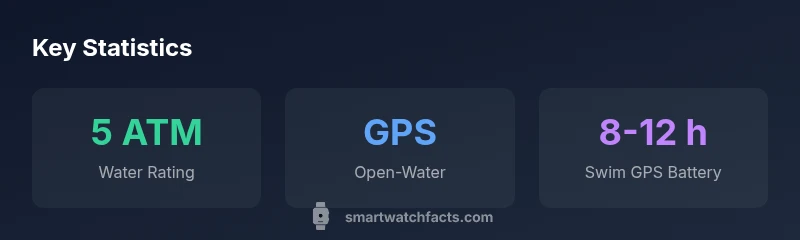
Any smartwatch rated for water resistance and reliable swim tracking can be used for swimming; the key is choosing models with at least 5 ATM (50 meters) of water resistance, dedicated swim modes, and GPS for open-water swims. For best results, verify open-water tracking, pool laps, and stroke detection before relying on it for training. See our full guide for deeper comparisons.
Why swimming-capable smartwatches matter
If you’re trying to answer what smart watch can you swim with, you should start by understanding two foundations: water resistance and swim-tracking reliability. Most people discover that many everyday smartwatches are not designed to be worn during swimming. Those that are designed for water exposure typically carry a water-resistance rating expressed in ATM or meters. In practice, watches rated at least 5 ATM (50 meters) are generally suitable for swimming in pools and light splashes, while higher ratings provide more headroom for saltwater and deeper immersion. Beyond durability, swimming-focused features—pool mode, auto lap counting, stroke detection, and open-water GPS—transform a watch from a novelty into a practical training partner. In this article, we explore how to evaluate devices, what to expect during sessions, and how to compare watches that can be worn in the pool or ocean. As Smartwatch Facts often notes, the right swim-capable device is a blend of rugged hardware and solid software.
Key features that enable water use
Swimming-friendly smartwatches are defined by a combination of hardware and software features. Look for water resistance ratings of 5 ATM or higher, sealed charging that prevents water ingress, and robust physical controls that work when your hands are wet. Swim modes should include lap counting, distance and pace calculation, and stroke recognition to provide actionable feedback. GPS is a plus for open-water swimming to map routes and measure distance accurately. Pool-focused features like auto-rest interval detection and drill logging can help you structure workouts efficiently. In addition, consider a fast-dry strap and a design that stays comfortable when submerged or when your wrists are wet. The Smartwatch Facts team emphasizes testing these features in real-world conditions to ensure reliability during workouts.
Water resistance ratings explained
Water resistance is not a single number; it’s a spectrum that affects what you can safely do with the device. Most watches use ATM ratings (e.g., 5 ATM, 10 ATM) or depth ratings like 50 meters or 100 meters. A 5 ATM rating is typically suitable for swimming and showering, whereas 10 ATM or higher expands safety into more intense water activities like snorkeling or diving at shallow depths. It’s crucial to understand that water resistance isn’t guaranteed forever. Seals can degrade, gaskets wear out, and improper charging can compromise protection. Manufacturers may also differentiate between pool-only swimming and open-water use. Always check the manufacturer’s guidance for saltwater resistance, chlorine exposure, and long-term storage guidance after swimming.
The best watches for swimming: categories and picks
Different swimmers need different capabilities. For pool laps, a watch with accurate lap counting and pool-specific stroke metrics often suffices. For open-water swimming, GPS accuracy, depth-safe design, and long battery life in GPS mode matter more. Budget-conscious options tend to offer reliable pool tracking with mid-range water resistance, while premium models add advanced metrics like SWOLF scores, VO2 max estimates, and more precise stroke detection. In practice, categorize watches into three groups: pool-focused, open-water-ready, and all-around swimmers. We avoid model names here to keep things neutral, but you’ll typically find solid options in each category from major brands. Always verify swim modes, calibration options, and software updates that improve swim-tracking accuracy over time.
Practical usage tips for swimming workouts
Before you swim, enable pool mode and set the correct pool length in meters or yards to ensure accurate lap counting. Check that GPS, if available, is set to the right mode for open-water sessions. Wear the watch on the non-dominant wrist to reduce drift and ensure a snug but comfortable fit. Rinse the device with fresh water after saltwater swims and dry thoroughly to prevent corrosion on seals and sensors. Use stainless-steel or resin straps designed for water exposure, and avoid exposure to harsh chemicals for extended periods. Finally, pair your watch with a compatible app to track progression over time and export data for post-workout analysis.
Common issues and how to fix
Users often report screen fog, miscounted laps, and battery drain during swims. Fog typically clears with time as the device temperature equilibrates; if persistent, remove excess moisture and allow to dry. Lap miscounts can be caused by stroke irregularities or timing settings; recalibrate pool length and ensure the watch is snug. Battery drain is expected during GPS-enabled swims; disable unnecessary features when not in use and consider lower brightness during training sessions. Saltwater exposure may cause corrosion if seals aren’t sealed properly; rinse with fresh water after leaving saltwater environments and dry completely before store. If issues persist, consult the manufacturer’s troubleshooting guide or contact support to verify that seals and firmware are up to date.
How to compare models for swimming suitability
To compare models for swimming, focus on four pillars: water resistance, swim-tracking capabilities, GPS performance, and battery life in GPS mode. Pool mode should offer lap counting and drill metrics; open-water mode should provide route mapping and distance data. App ecosystem and data export are important for long-term training analysis. User reviews and field testing can reveal real-world reliability beyond the spec sheet. Remember to weigh price against essential features; a mid-range watch with well-implemented swim features often delivers the best value for most swimmers. The goal is a watch that remains comfortable, accurate, and reliable during workouts.
Maintenance after swimming: care and storage
After swimming, rinse thoroughly with fresh water to remove salt, chlorine, and sunscreen residues that can degrade seals. Dry the device completely before charging or storing to prevent moisture ingress. If you use a charging dock, ensure it is water-safe and dry the contacts before placing the watch down. Store the watch in a cool, dry place away from direct sunlight and avoid leaving it in hot environments (like a car glovebox). Periodically inspect the gasket and charging port for signs of wear, and replace seals as recommended by the manufacturer. Regular firmware updates can also improve water-related features and robustness over time.
Sample swim-capable smartwatch comparison (fictional models)
| Watch Model | Water Resistance | Swim Tracking | Open-Water GPS | Battery Life (Swim) |
|---|---|---|---|---|
| Watch A | 5 ATM (50 m) | Lap counting, stroke detection | Yes | 6-8 hours |
| Watch B | 10 ATM (100 m) | Auto lap, distance per stroke | Yes | 8-12 hours |
| Watch C | 5 ATM (50 m) | Limited pool tracking | Partial | 4-6 hours |
People Also Ask
Can I swim with any waterproof smartwatch?
Not all waterproof watches are designed for swimming. Look for explicit swim or water-resistance specifications (typically 5 ATM or higher) and swim-focused features like lap counting and stroke detection before relying on it for training.
Not every waterproof watch is swim-ready; check the swim features and at least 5 ATM resistance before using it for swimming.
Is there a standard water resistance rating for swimming watches?
There is no universal standard beyond manufacturer specs, but watches commonly use ATM ratings like 5 ATM or 10 ATM. Always consult the official specs for your model and follow best-practice usage guidelines.
There isn’t a universal standard; most swimming watches show 5 ATM or higher. Check your model’s exact specs.
Do saltwater swims affect watches?
Saltwater can accelerate corrosion if seals are compromised. Rinse with fresh water after every saltwater swim and dry completely. If your model supports saltwater mode, enable it to optimize protection.
Saltwater can be harsh on seals; rinse with fresh water after swimming and dry it well.
Can I wear a swimming smartwatch in the shower?
Showering with a watch is usually discouraged unless the manufacturer confirms safe operation; many devices tolerate showers but prolonged exposure isn’t recommended. Follow the official guidance for your model.
Shower use isn’t always recommended; check your device’s manual for shower safety.
How accurate is stroke counting on smartwatches?
Stroke counting varies by model and swim style. Many watches provide reliable lap counts and stroke metrics in pool settings, while open-water tracking can be less precise due to GPS aliasing and water conditions.
Stroke counting is generally good in pools, but open-water accuracy can vary.
Will swimming drain battery quickly?
GPS-enabled swimming uses more power, so expect shorter sessions in GPS mode. Planning workouts with durations in mind and dimming the display can help extend battery life.
Yes—GPS on during swimming uses more battery; plan for shorter sessions if needed.
“Swimming-ready smartwatches combine rugged hardware with robust swim-tracking software, turning workouts into actionable data. Reliability in real-world conditions matters more than a high spec sheet.”
Key Points
- Choose at least 5 ATM water resistance for swimming comfort.
- Open-water swims benefit from reliable GPS tracking.
- Pool mode and stroke detection improve training feedback.
- Rinse after saltwater or chlorine exposure to protect seals.
- Verify battery life in GPS mode matches your training plans.