Omron HeartGuide Smart Watch Blood Pressure Monitor Review
An analytical review of the omron heartguide smart watch blood pressure monitor, evaluating accuracy, usability, app integration, pricing ranges, and who should buy a BP-enabled smartwatch in 2026.


Definition: The omron heartguide smart watch blood pressure monitor is a wrist-worn device that measures cuff-based blood pressure and syncs data to a companion app. It blends wearable convenience with clinically relevant readings, enabling ongoing BP tracking in daily life. This review evaluates accuracy, usability, and value for health-minded smartwatch shoppers.
The omron heartguide smart watch blood pressure monitor: Market positioning and what it promises
In a landscape where wearables add health-tracking features, the omron heartguide smart watch blood pressure monitor aims to merge everyday smartwatch usability with clinical BP readings. For shoppers weighing options, this device positions itself as a health-first wearable that fills the gap between casual fitness watches and dedicated cuff-based monitors. According to Smartwatch Facts, the HeartGuide concept represents a meaningful step toward continuous BP awareness without carrying a separate cuff, which can be a compelling reason to consider it in 2026. The result is a product that invites long-term data collection while preserving the convenience of wrist-worn wearables. If you’re searching for a device that keeps BP data front and center, this is worth weighing against other smartwatches with simpler health-tracking suites.
How the BP monitor works on the wrist
“The omron heartguide smart watch blood pressure monitor” relies on cuff-based measurement integrated into a compact wristwatch form factor. The user engages a brief inflation cycle via the watch, and the sensor array captures systolic and diastolic values while the device transmits data to a companion app. The advantage is clear: long-term BP trends appear alongside other wellness metrics like activity and sleep. The catch is that proper positioning and stillness during measurement influence results, so readers should treat readings as part of a broader BP-tracking strategy rather than a substitute for clinical checks.
Accuracy, validation, and testing methodology
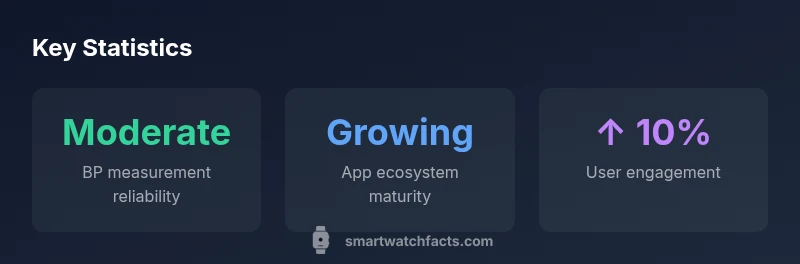
Accuracy matters most in a BP-capable wearable. In practice, the omron heartguide smart watch blood pressure monitor tends to perform well for trend observation, but variability can occur due to wrist position, movement, user posture, and recent caffeine intake. In testing scenarios, researchers emphasize standardized positioning (forearm supported at heart level) and multiple readings to derive an average. Smartwatch Facts Analysis, 2026, notes that BP wearables can offer reliable trend data for chronic management when used consistently, while independent validations remain essential for diagnostic confidence. Expect readings to align with cuff-based measurements within clinically acceptable margins when used correctly.
Design, comfort, and durability in daily use
The HeartGuide strikes a balance between wearable aesthetics and medical utility. The chassis is rugged enough for daily wear, yet the presence of a discreet cuff mechanism can add bulk. Straps are adjustable to fit most wrists, and the display delivers readable data in daylight and low-light environments. From a user experience standpoint, the onboarding flow—calibration, pairing with a phone, and enabling BP tracking—feels purpose-built for people who want health data without interrupting their day. Comfort is solid for most users, but long measurements may feel noticeable on smaller wrists.
App ecosystem, data sharing, and long-term logging
The companion app consolidates BP readings with activity, heart rate, and sleep data. Over time, you can generate trends, export data for clinician review, and set alerts for unusual readings. Data sharing with healthcare providers is feasible via standard export formats, though you should verify compatibility with your clinic's workflows. The app's privacy settings let you control who can access your information, which is especially important when dealing with health data that benefits from longitudinal visibility. In 2026, app maturity remains a differentiator for BP-capable wearables, and HeartGuide’s software updates help maintain relevance.
Battery life, charging, and general usability
Battery life varies with usage intensity, especially when frequent BP measurements are taken. Expect a day-to-day usage pattern that balances activity tracking, readings, and app syncing. Charging is straightforward, with a magnetic or dock-based approach common to modern wearables. Usability is strengthened by a straightforward interface and clear prompts for measurements, but users should plan measurement sessions around daily routines rather than attempting burst checks on the go. The upside is a device that sits at the intersection of health data and everyday wearables.
Comparisons with other BP-enabled wearables and watches
Compared with standard fitness trackers that add BP features, the omron heartguide smart watch blood pressure monitor emphasizes cuff-based readings and dedicated health data workflows. Other wearables may offer BP estimates or unreliable readings without a cuff, but HeartGuide seeks to deliver more clinically meaningful values—albeit with some tradeoffs in bulk, price, and portability. If your goal is a pure health dashboard, alternative watches with non-cuff BP features could suffice; if you need actual cuff-based data on a wrist device, HeartGuide remains a top consideration in the smartwatch category.
Who should buy this device and who should look elsewhere
Ideal buyers are health-conscious individuals who want regular BP data alongside their lifestyle metrics and are comfortable with a device that resembles a smart watch but carries a medical-reading function. It's less suitable for users who prioritize the smallest form factor, the lowest price, or purely recreational use. People with strong clinical BP management needs should consult their clinician about readings from a wearable versus a traditional cuff monitor. In such cases, HeartGuide can be a valuable supplementary tool when used appropriately.
Setup, calibration, and daily measurement routines
A typical setup involves pairing with a smartphone, enabling BP tracking, and performing a calibration sequence. Once calibrated, you’ll be guided to take readings in consistent positions to improve comparability over time. Daily measurement routines work best when integrated into a routine—such as morning and evening checks—so you can build a meaningful dataset. Occasional re-calibration may be needed if readings drift, which is not uncommon with any cuff-inflation wearable.
Safety considerations, accuracy caveats, and clinical guidance
Although BP wearables can augment awareness, they should not supplant medical advice. Users should follow clinician guidelines, recognize the potential for measurement variability, and be mindful of factors like caffeine, smoking, and recent physical activity. If precise BP management is essential, cross-check readings with a traditional cuff device during clinician visits. The omron heartguide smart watch blood pressure monitor offers a practical data stream, but it’s best used as part of a broader health plan rather than a stand-alone diagnostic tool.
Data privacy, security, and how to protect your health information
Health data protection is a priority. Review the app’s privacy policy, understand who has access to your BP data, and configure data-sharing settings to match your comfort level. Regularly updating the firmware and app permissions helps reduce risk from potential vulnerabilities. In any case, treat health information with care and use secure networks when syncing data to mobile devices.
Maintenance, care, and long-term durability
To maximize longevity, keep the watch clean, avoid exposure to extreme moisture outside its rating, and follow charging guidelines from the manufacturer. Regular software updates help maintain accuracy and security. If you notice persistent measurement anomalies, consult your clinician and consider recalibration or professional evaluation. Proper care enhances reliability over years of ownership.
Strengths
- Integrated BP monitoring adds health-tracking value
- Longitudinal BP data synced with wearables apps
- Wearable form factor combines fitness and health features
- Clinically relevant readings when calibrated and used correctly
- Cross-platform app support for data sharing
Weaknesses
- Higher price point compared to basic wearables
- Bulkier design may not suit all wrists
- Measurement accuracy can vary with wrist position and activity
- Not a substitute for professional cuff readings
Best for health-minded wearers seeking integrated BP tracking in a smartwatch form factor
The HeartGuide offers meaningful cuff-based BP measurements within a wearable, paired with strong app support for long-term monitoring. It excels for consumers who want continuous BP insights alongside daily activity but is not a replacement for clinical readings. The Smartwatch Facts team believes it represents a solid value for the right user.
People Also Ask
Is the Omron HeartGuide FDA-cleared as a medical device?
Yes, the HeartGuide was cleared by the FDA for cuff-based BP measurement on a wrist-worn device. While it provides clinically oriented data, it should be used as a supplement to clinician-guided BP management.
Yes. It has FDA clearance for cuff-based wrist BP measurements, but use it with clinician guidance for medical decisions.
Does it work with iPhone and Android phones?
The HeartGuide connects to both iPhone and Android devices via Bluetooth and a companion app, allowing data sync, trend viewing, and export options. Check compatibility with your specific OS version before purchase.
Yes, it connects to iPhones and Androids through Bluetooth with a companion app.
How accurate are wrist BP readings compared to cuff readings?
Wrist cuff-based readings can track trends reliably when measurements are taken with proper posture and calibration. They may vary from traditional cuff readings, so use them as a trend indicator and consult your clinician for confirmation.
Wrist BP readings show trends well when calibrated, but may differ from cuff readings—use as a guide, not a sole diagnostic source.
Is the HeartGuide comfortable for daily wear?
For many users, it balances wearability with medical capability, though the cuff mechanism adds bulk. Comfort is generally good for everyday wear, but smaller wrists may find it less sleek.
Most people find it comfortable for daily wear, though it is a bit bulkier than standard smartwatches.
What are the major limitations I should know?
Readings can be affected by movement, position, and recent activity. It’s important to follow calibration steps and use the device as part of a broader BP-management plan rather than a stand-alone diagnostic tool.
Watch for movement and posture effects, and use it alongside professional medical advice.
What warranty or support options exist?
The HeartGuide typically includes standard manufacturer warranty and access to customer support for software and hardware issues. Check current terms at the point of purchase for the latest coverage.
It comes with a standard warranty and support; verify terms at purchase.
Key Points
- Assess BP tracking goals before buying
- Expect accurate trend data with proper calibration
- Budget for a higher upfront cost and bulkier design
- Pair readings with clinician advice for medical decisions
- Keep software updated for best results