Key Features to Check When Buying a Smartwatch in 2026
Discover practical criteria for buying a smartwatch—from battery life and sensors to OS compatibility. This comprehensive guide helps you compare models, test wearability, and choose a device that fits your daily routines.


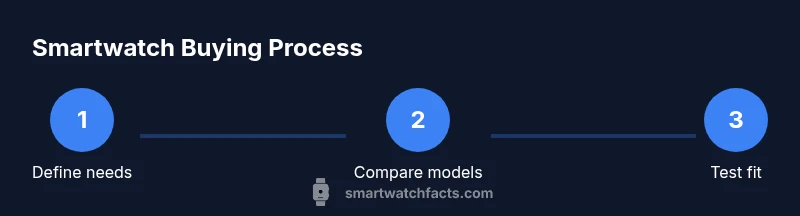
To buy a smartwatch, start by identifying your priorities: battery life, health sensors, OS compatibility, and build quality. This guide from Smartwatch Facts provides a practical decision framework, comparing display quality, comfort, and ecosystem across major brands. Gather your use cases, set non-negotiables, and use a simple checklist to surface the best options. In 3 steps: define needs, compare specs, and test wearability.
Battery life and charging
Battery life remains one of the most consequential factors in smartwatch satisfaction. You wear these devices all day, every day, and the battery should be able to sustain typical activities such as notifications, workouts, and peripheral tasks without forcing you into constant charging rituals. When evaluating battery life, use the manufacturer’s test claims as a starting point, but trust independent wear tests and user reports for real-world behavior. Consider charging methods as well: magnetic charging, wireless pads, and fast charging are common—test how each option fits into your routine. If you travel frequently or have long days away from a charger, look for devices that optimize power through adaptive brightness, efficient processors, and smart sleep modes. Finally, be honest about your capacity to recharge: a device that requires daily attention may hinder long-term usage.
Display and comfort
Display quality directly affects how you interact with your smartwatch throughout the day. Look for bright, high-contrast panels that stay readable in sunlight, and consider resolution and pixel density for crisp text during quick glances. An always-on display is convenient, but it can drain the battery if not managed well. The form factor matters too: choose a screen size and shape that fit your wrist and daily activities without feeling bulky. Weight, case materials, and bezel design influence comfort during extended wear. Test how the watch feels with different bands and sizes, and verify that the quick-release pins allow easy swapping without tools. In real-world use, comfort determines wearing duration and, ultimately, how useful the device remains.
Health sensors and health features
Modern smartwatches pack a suite of health sensors, including optical heart rate sensors, SpO2 monitors, ECG, and skin-temperature tracking. While these sensors provide useful insights for wellness and workouts, remember they are supplementary tools, not medical devices. Accuracy varies by model and skin tone, activity level, and fit. Look for features that align with your goals—sleep tracking, menstrual cycle monitoring, or stress tracking—and read independent tests for reliability. If you rely on health data for decisions, choose watches with transparent documentation about calibration and data access. Also consider privacy controls: decide who can see your health data and how it’s stored.
OS, app ecosystem, and compatibility
The operating system (OS) and app ecosystem determine what you can do with your smartwatch day to day. Apple Watch runs on watchOS, delivering tight iPhone integration and a broad app selection; many Android wearables run on Wear OS, offering cross-platform compatibility with Android phones and growing iOS support. If your phone is iPhone, prioritize devices with strong iOS integration; if you use Android, prioritize Wear OS or other platforms with robust third-party app support. Look at the quality and breadth of available apps for fitness, productivity, music, and payments, as well as the ease of pairing with your phone. Pay attention to updates and long-term software support—your device should stay secure and compatible for several years.
Durability, water resistance, and build quality
Durability matters for everyday wear and workouts. Check ingress protection ratings for dust and water resistance, and consider the materials used in the case and screen. A durable finish helps resist scratches and daily wear, while a rugged strap can improve longevity during sports or outdoor activities. If you swim or sweat heavily, confirm water resistance ratings suitable for your activities. Also assess case size and strap material to minimize irritation during extended wear. A smartwatch should feel sturdy without being heavy, bulky, or uncomfortable after a few hours.
GPS, sensors, and tracking accuracy
For athletes and outdoors enthusiasts, GPS performance and sensor accuracy are critical. Look for multi-band GPS support and integration with your preferred map services, especially if you rely on precise route tracking. While no smartwatch is perfectly accurate in every scenario, reputable models deliver consistent data during runs and rides. Evaluate auto-pause, cadence tracking, pace alerts, and built-in coaching features. Battery drain may increase with GPS use, so balance location features with your daily needs. If location privacy is important, review how data is stored and shared.
Design, straps, and wearability
A smartwatch should feel like a natural extension of your daily wardrobe. Pay attention to the overall design, including the display, case material, and strap options. Quick-release bands make swaps easy if you want to refresh your look or adjust for different activities. Choose strap materials that suit your skin sensitivity and climate—silicone for workouts, metal for formal wear, or fabric bands for comfort. Consider wrist size compatibility and whether the watch supports adjustable bands or interchangeable sizes. Comfort across a full day of use is as important as specs.
Price, value, and after-sales support
Smartwatches cover a broad price range, from basic wellness-focused models to premium devices with advanced sensors and designer aesthetics. Compare total ownership costs, including band replacements, charging cables, and annual software updates. A higher upfront price can be justified by longer software support, better durability, and a robust app ecosystem. Check warranty terms and regional service options, including repair or replacement policies. Remember that the best value aligns with your goals and expected usage, not just the lowest price tag.
How to compare models and make a final decision
Create a side-by-side checklist for the top contenders, rating them on non-negotiables (battery life, OS compatibility, and essential sensors) and nice-to-haves (GPS accuracy, software updates, and comfort). If possible, test the devices in-store to assess screen readability, touch responsiveness, and comfort with your chosen bands. Use your smartphone to preview paired experiences, app availability, and notification management. Finally, use your budget as a ceiling and consider resale value, warranty length, and support quality to ensure your choice remains satisfying for years.
Tools & Materials
- Smartwatch shopping checklist(Printed or digital list of must-have features and nice-to-have extras.)
- Notepad or note-taking app(Capture impressions during demos or online reviews.)
- Smartphone with relevant smartwatch companion app(Needed to preview app ecosystem and setup flow.)
- Measuring tape or wrist circumference strip(Use to select appropriate strap size and comfort fit.)
- Pen or stylus for quick comparisons(Optional for marking key differences while comparing models.)
- Charger or charging cradle(Test charging method and compatibility with home/road setups.)
Steps
Estimated time: 60-120 minutes
- 1
Define your use cases
List primary activities (work notifications, fitness tracking, health monitoring, sleep insights) and any must-have features. This baseline will steer every other decision and prevent feature overload.
Tip: Prioritize non-negotiables first; nice-to-haves can be added later. - 2
Check OS compatibility and app ecosystem
Verify how well the smartwatch integrates with your phone’s OS. Review essential apps, music services, and payment options to avoid gaps after purchase.
Tip: If you rely on a specific app, confirm its availability and reliability on the watch platform. - 3
Evaluate sensors and health features
Note which sensors you actually use (heart rate, SpO2, ECG, sleep tracking). Consider data privacy and how data is stored and shared with apps.
Tip: Look for independent reviews of sensor accuracy in real-world conditions. - 4
Assess display, brightness, and comfort
Test readability in various lighting, the presence of an always-on display, and how the watch sits on your wrist with your preferred band.
Tip: Try multiple strap materials to find the most comfortable combination. - 5
Check durability and water resistance
Confirm ratings match your activities (e.g., swimming, workouts in rain). Inspect build quality and strap durability.
Tip: Consider investing in a protective screen cover if you worry about scratches. - 6
Compare price, warranty, and support
Balance upfront cost with ongoing software updates and service quality. Review warranty benefits and regional support options.
Tip: Ask about repair or replacement policies and availability of official replacement bands.
People Also Ask
What is the most important feature when buying a smartwatch?
The most important feature depends on your use case. Typically, battery life, OS compatibility with your phone, and the quality of health sensors should guide your decision. Balance these with comfort and app ecosystem to avoid buyer remorse.
Ultimately, battery life, phone compatibility, and sensor quality should guide your choice, with comfort and apps balancing the final decision.
Will a smartwatch work with my iPhone or Android phone?
Most watches connect via Bluetooth to either iPhone or Android. Some models offer broader cross-platform features, while others are tightly integrated with a single OS. Check compatibility notes for your phone and verify app availability.
Most watches connect via Bluetooth and work with either iPhone or Android, but some features vary by OS.
Do smartwatches require a data plan?
Cellular-enabled smartwatches can use a data plan, but most everyday uses happen through your phone. Cellular models add cost and setup steps; decide based on how often you need independent connectivity.
Cellular watches can use data plans, but most tasks work over Bluetooth with your phone.
Can I swap bands easily?
Yes, most watches support quick-release bands in a variety of materials. Check the band width compatibility and whether common third-party bands fit your model.
Band swapping is usually straightforward with quick-release mechanisms and many third-party options.
How long do software updates typically last?
Most reputable brands provide several years of updates, but the length varies by manufacturer and model. Look for explicit guidance on update timelines when evaluating value.
Software updates usually extend for multiple years, but check each brand's stated support period.
Are refurbished smartwatches a good deal?
Refurbished devices can offer savings but come with higher risk regarding battery health and returns. Buy from reputable sources with warranties and clear tracking.
Refurbished watches can save money but ensure warranty and battery health are covered by a trusted retailer.
Watch Video
Key Points
- Define non-negotiables before comparing models.
- Prioritize OS compatibility and app ecosystem for long-term use.
- Test comfort and display in real-world wear.
- Balance price with warranty and software support.