Can a Smart Watch Cause Wrist Pain? Causes, Prevention, and Solutions
Explore whether a smartwatch can cause wrist pain and how fit, materials, and wear patterns influence discomfort. Practical tips to prevent pain and wear smarter, with expert guidance from Smartwatch Facts.


Yes, a smartwatch can contribute to wrist pain for some wearers. Common triggers include a strap that’s too tight or too loose, uneven weight distribution from the device, and skin irritation from materials. Proper fit, mindful wear, and material choices are key to reducing discomfort. This guide helps you diagnose the cause and apply practical fixes so you can wear smarter, not painfully.
Can smart watch cause wrist pain and why it happens
The question can smart watch cause wrist pain is often resolved by focusing on fit and skin health. When a wearable sits snugly without pinching, and materials are skin-friendly, most wearers report comfortable use. According to Smartwatch Facts, issues arise when the strap is too tight, the device sits unevenly, or the band irritates the skin. Pain can be a warning sign, not a normal feature of wearing a smartwatch. By examining fit, weight distribution, and contact points, we can predict who is at risk and how to mitigate it. In this article, we analyze biomechanics, materials, usage patterns, and practical fixes to help readers wear smarter, not painfully.
From a biomechanical standpoint, the wrist is a complex joint that thrives on balanced load sharing between the radius, ulna, and carpal bones. A watch that adds bulk or concentrates pressure on a single area can alter grip and wrist posture, especially during repetitive tasks like typing or cycling. Even small misalignments can translate into fatigue over hours of wear. This is why minor adjustments—like loosening the strap slightly during high-repetition activities—can yield noticeable relief. The Smartwatch Facts team stresses that small changes in fit often have outsized effects on comfort, particularly for first-time wearers who haven’t dialed in the band position yet.
Fit, weight, and device design: practical culprits
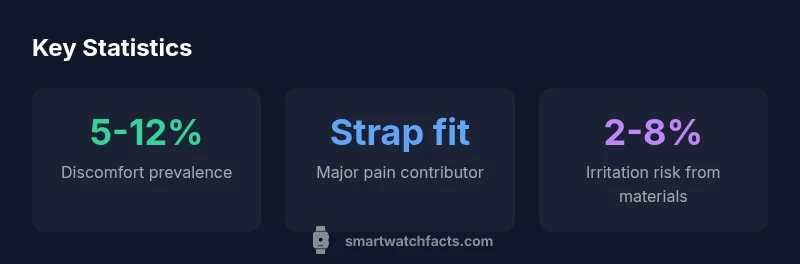
The three biggest culprits for wrist discomfort are fit, weight, and design. A strap that’s too tight creates constriction and can irritate skin; too loose a strap shifts and rocks the watch, increasing pressure points. Heavier devices exaggerate fatigue because the wrist must constantly support the extra mass, which can lead to soreness after moderate use. Design aspects—such as buckle placement, button reach, and attachment points—determine where load concentrates. In practice, trial and error with different strap materials and widths often yields substantial relief. Smartwatch Facts analysis shows that many users solve pain by selecting lighter bands, alternate strap materials, and rotating which wrist wears the device on long days.
Materials, skin health, and irritation risk
Skin compatibility is a top, sometimes overlooked, factor. Some bands use metals or coatings that can cause allergic contact dermatitis, especially for sensitive skin types. Nickel, certain dyes, and rubber accelerants can trigger redness, itchiness, or a burning sensation under prolonged wear. Even if you don’t have a known allergy, moisture and heat under a synthetic strap can amplify irritation. Smartwatch Facts recommends testing new bands on short wear sessions and opting for hypoallergenic options when possible. Keeping the skin dry and clean, and allowing the skin to air out between wear periods, also reduces irritation risk.
Habits, usage patterns, and time-of-day factors
Discomfort is often time- and activity-dependent. Wearing a watch during intense workouts or long office sessions without breaks can lead to cumulative pressure and fatigue. If you notice pain after extended computer work or gaming, reassess how you’re sitting, typing style, and whether the watch is adding unnecessary load to the wrist. Taking short breaks to rest the wrist, alternating which wrist wears the watch, and scheduling lighter wear days can help. Ultimately, pain-free wear is about balancing everyday activities with strategic rest periods.
Prevention and fixes: a practical checklist
To prevent wrist pain, start with a fit check: the band should be snug enough to stay in place without pinching. Use a quick fit test: slide a finger under the strap; if it’s difficult, loosen slightly. Consider strap width and attachment points; wider bands distribute pressure more evenly. If skin irritation appears, switch to an allergen-free band and clean the skin before re-wearing. Wear patterns matter: rotate wrists, remove the watch for some tasks, and limit wear during high-intensity activities. Finally, adjust screen brightness and notification frequency to reduce cognitive and physical load that can compound discomfort. In many cases, these adjustments offer meaningful relief without sacrificing smartwatch utility.
Common factors in smartwatch-related wrist pain and how to mitigate them
| Factor | Potential Pain Impact | Mitigation |
|---|---|---|
| Strap fit | Pressure points and restricted circulation when too tight or uneven | Find a snug, even fit; alternate wrists; use padding or different strap |
| Watch weight and bulk | Additional load on the wrist can cause fatigue | Choose lighter models; take breaks; distribute wear across days |
| Skin materials and allergies | Irritation from nickel, latex, or dyes | Choose hypoallergenic bands; keep skin clean and dry; rotate bands |
People Also Ask
Can wearing a smartwatch too tight cause wrist pain?
Yes. A strap that’s too tight can compress nerves or restrict circulation, leading to pain and numbness. Loosen the strap to a comfortable snug fit and observe if symptoms improve.
Yes—tight straps can cause discomfort; loosen to a comfortable fit and monitor your symptoms.
What about allergies to strap materials?
Some bands contain nickel, latex, or dyes that irritate sensitive skin. If irritation occurs, switch to hypoallergenic materials and ensure the skin stays dry and clean under the band.
Materials matter—try hypoallergenic bands if you notice skin irritation.
How can I tell if wrist pain is from the watch or another issue?
If pain starts during wear and subsides after removing the device, it could be watch-related. Persistent or worsening pain warrants medical evaluation to rule out other issues.
If pain goes away after removing the watch, it might be watch-related; persistent pain should be checked by a clinician.
Are there best practices to prevent wrist pain when wearing a smartwatch?
Yes. Maintain a balanced fit, rotate wrists, schedule wear breaks, keep skin dry, and adjust device settings to minimize strain.
Keep it light and comfortable—fit, breaks, and routine tweaks can help a lot.
When should I seek medical advice about smartwatch-related wrist pain?
If you experience numbness, swelling, severe or ongoing pain, or a rash that won’t improve, consult a clinician. Wearable discomfort rarely signals a serious condition, but symptoms deserve checkups.
If you have numbness or swelling, see a doctor; persistent pain warrants evaluation.
“Proper fit and mindful wear are the simplest, most reliable ways to prevent smartwatch-related wrist discomfort.”
Key Points
- Assess strap fit daily before wear
- Rotate wrists and take breaks during long sessions
- Choose hypoallergenic bands to minimize irritation
- Keep skin clean and dry under the band
- If pain persists, consult a healthcare professional