How to Treat Rash from a Smart Watch: Practical Guide
Learn practical, step-by-step guidance on how to treat rash from a smart watch, including identifying triggers, at‑home care, prevention, and when to seek medical advice. Smartwatch Facts provides clear, safe recommendations for wearable skin care.


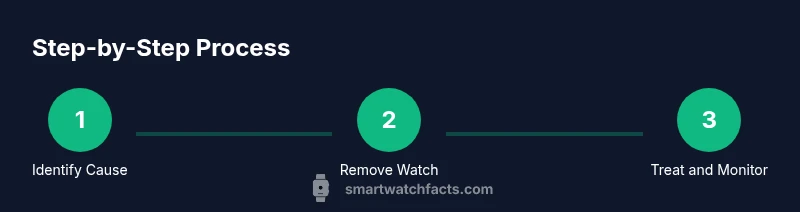
This quick answer shows how to treat rash from smart watch: identify whether irritation comes from the band, charger, or skin contact; remove the watch to prevent further irritation; cleanse the area with mild soap and water; apply a fragrance-free moisturizer or hydrocortisone cream if advised; seek medical advice if symptoms persist or worsen.
Understanding how to categorize the rash from a smartwatch
Rashes appearing under a smartwatch fall into a few common categories: contact dermatitis from metal or adhesives, mechanical irritation from friction, and sweat‑related irritation. When considering how to treat rash from smart watch, start by identifying the likely trigger—band material, adhesive, or constant rubbing against the skin. According to Smartwatch Facts, reactions are more likely with tight wear and without regular breaks, highlighting the importance of a careful assessment before choosing treatments. This context helps you tailor care without guessing about the underlying cause. By thinking in terms of trigger and mechanism, you can select safer, more effective home care steps while avoiding unnecessary remedies. The goal is to reduce exposure, soothe inflammation, and prevent recurrence while you monitor the rash’s progress.
Immediate actions you should take
If you notice a rash after wearing a smartwatch, begin with rapid, practical steps to minimize exposure and reduce irritation. First, remove the watch and any aggressive straps that press on the skin. Gently rinse the area with lukewarm water and a mild, fragrance‑free soap to remove sweat, oils, and residues that can aggravate irritation. Pat the skin dry with a clean towel rather than rubbing. Do not apply scented products or strong chemicals to the irritated area. In many cases, this simple reset — removing the watch, cleansing, drying, and resting the skin — can prevent the rash from worsening. After drying, consider applying a fragrance‑free moisturizer; if advised by a clinician, a hydrocortisone cream may help reduce itching and redness. Throughout this process, avoid scratching, which can lead to infection or thicker skin changes. Smartwatch Facts emphasizes patient observation as a key part of home care, guiding you toward safer next steps.
Inspecting the watch band and contact points
Attention to the watch band and contact points is essential for understanding how to treat rash from smart watch. Check the strap material for potential allergens such as nickel components, dyes, or adhesives. If you suspect a metal allergy, temporarily switch to a nickel‑free silicone or textile strap and re‑test the skin after 24 hours. Inspect the back of the watch for any raised edges, rough surfaces, or adhesive marks that could rub the skin. Clean the band with mild soap and water, avoiding harsh cleaners that can leave residues. If you plan to reuse the same band, consider applying a thin protective barrier, such as a clean fabric sleeve, to reduce direct contact with the skin. Keeping the device clean and comfortable helps reduce ongoing irritation and supports healing.
Soothing care and topical treatments
Soothing care is a critical component of how to treat rash from smart watch. After initial cleansing and device removal, apply a fragrance‑free moisturizer to restore the skin barrier and reduce dryness. For itching or redness that persists, consult a clinician about the safe use of topical hydrocortisone cream 1% or similar products, especially if there is no open wound. Do not apply steroids on broken skin without medical guidance. If blisters or oozing develop, avoid topical irritants and seek prompt medical advice. For those with a known allergy to certain strap materials, consider nonallergenic options and patch testing on a small skin area before full re‑exposure. Maintaining skin hydration and avoiding irritants are central to effective at‑home care.
When to seek professional care
Persistent or worsening rash warrants professional evaluation. If the rash expands beyond the wrist, involves facial areas, becomes painful, or shows signs of infection such as warmth, swelling, or pus, contact a healthcare provider. Anyone with a history of severe reactions or atopy should seek care sooner. If you have ongoing dermatitis or if symptoms persist after 2–3 days of home care, a clinician can assess the need for prescription therapies, identify potential allergens in watch components, and suggest alternatives for wearable devices. Keep records of products used, watch model, and strap materials to help the clinician pinpoint triggers and tailor a safer, effective plan.
Prevention tips for future wear
Prevention is better than cure when it comes to rash from smart watch. Limit wear time, especially during hot or sweaty activities. Regularly clean both the skin area and the strap with mild soap and water, and ensure the device is fully dry before re‑wearing. Choose hypoallergenic straps and avoid known irritants such as certain dyes or metals. Consider barrier methods such as a clean fabric sleeve or a soft band cover to reduce friction. If you have sensitive skin, perform a patch test with any new strap or accessory for 24–48 hours on a non‑exposed area before using it on the wrist. Practicing good skin hygiene around wearable tech is a practical, ongoing defense against rash.
Cleaning and sanitizing your smartwatch to prevent skin issues
Regular cleaning of your smartwatch helps prevent skin reactions. Wipe the device with a soft, damp cloth and mild soap, avoiding excessive moisture around the charging port. If you use an interchangeable strap, wash the strap separately and air‑dry completely before re‑attaching. Avoid aggressive cleaners, sprays, or alcohol on the skin contact areas, as these can aggravate irritation. Store the device and straps in a clean, dry place to minimize dust and allergens. By keeping both skin and hardware clean, you reduce the likelihood of irritants building up and triggering a rash again.
What to document for your clinician
Preparing a clear, concise summary helps healthcare providers diagnose and treat smartwatch related rashes more effectively. Note when symptoms began, exact strap materials, and watch model. Include photos if possible, a timeline of wear and symptom progression, and details about products used for treatment. Document whether the rash changes with strap switches, or with time off from wear. This information helps clinicians identify triggers and tailor recommendations for safe continued use or alternatives for wearable devices.
Tools & Materials
- Mild soap and water(Fragrance‑free)
- Fragrance-free moisturizer(Non-irritating formula)
- Topical hydrocortisone cream 1%(Only if advised by clinician)
- Non‑adhesive barrier sheet or fabric sleeve(To minimize direct contact)
- Cool compress or cold pack(For itching relief (wrapped to protect skin))
- Patch test kit (optional)(For testing new straps/materials)
Steps
Estimated time: 30-60 minutes for initial care; 24-48 hours for monitoring
- 1
Remove the watch immediately
Take the device off at the first sign of irritation to halt exposure. Keeping the watch on can worsen friction and prolong inflammation.
Tip: Do this even if you plan to continue using the device later the same day. - 2
Rinse and pat dry the area
Gently rinse the skin with lukewarm water and a mild cleanser, then pat dry with a clean towel. Avoid scrubbing which can irritate inflamed skin.
Tip: Use lukewarm water; very hot water can worsen irritation. - 3
Inspect and clean the strap
Check for metal parts, dyes, or adhesives that could trigger the reaction. Clean the band with mild soap and water and ensure it dries completely before re‑use.
Tip: If in doubt, switch to a hypoallergenic silicone strap for 24–48 hours. - 4
Apply a soothing layer
Apply a fragrance-free moisturizer to restore the skin barrier. If itching is strong and a clinician approves, use a thin layer of hydrocortisone cream on intact skin.
Tip: Avoid applying moisturizer on broken skin or open lesions. - 5
Patch test a new strap
Before wearing a new strap, test it on a small area for 24–48 hours and monitoring for signs of irritation.
Tip: Choose straps with minimal dyes and nickel-free components. - 6
Reintroduce the watch gradually
If the rash improves, re‑introduce the watch slowly, starting with short wear periods and increasing gradually while inspecting the skin daily.
Tip: Pause use if redness returns or worsens. - 7
Monitor and seek care if needed
If there is no improvement within 2–3 days or symptoms worsen, seek medical care for assessment and potential prescriptions.
Tip: Document triggers and responses to treatments to aid the clinician.
People Also Ask
What causes rash from a smartwatch?
Rashes are usually from contact dermatitis to strap materials, nickel in buckles, adhesives, or friction from wear. Sweat can worsen irritation. Identifying the trigger helps tailor care and prevention.
Rashes from smartwatches are often caused by strap materials or friction; finding the trigger helps you treat it and prevent it in the future.
Can I wear the watch during treatment?
It is best to avoid wearing the watch on the irritated skin until symptoms improve. If you must wear it, ensure the skin is fully dry and consider a barrier layer.
Avoid wearing the watch on irritated skin until it improves, and only reintroduce it slowly with barrier protection.
Is hydrocortisone safe for watch rash?
Hydrocortisone cream can reduce itching and redness, but only use it as directed by a clinician and avoid broken skin unless advised.
Hydrocortisone can help, but only use it if a clinician says it’s okay and avoid applying to broken skin.
How long does a smartwatch rash take to heal?
Healing varies by individual; many cases improve in a few days with proper care, but some may take up to a couple of weeks. Seek care if symptoms persist beyond a few days.
Most cases improve in a few days with proper care, but visit a clinician if it lasts more than a few days.
Should I clean the band with alcohol?
Alcohol can degrade adhesives and irritate skin. Use mild soap and water instead, and avoid harsh cleaners around the skin contact areas.
Avoid alcohol on the band; use mild soap and water to clean it.
How can I prevent rash in the future?
Choose hypoallergenic straps, practice regular skin cleaning, allow air time, and test new bands on a small area before full use.
To prevent future rash, pick hypoallergenic bands and test new straps on a small skin area first.
Watch Video
Key Points
- Remove the watch to stop exposure and protect skin.
- Cleanse gently and avoid irritants, patch testing when introducing new bands.
- Seek medical advice for persistent or worsening rash.
- Document materials and symptoms to identify triggers and prevent recurrence.