How to Setup a Smart Watch with iPhone
Learn how to setup a smart watch with iPhone, including compatibility checks, app installation, pairing steps, and tips for smooth notifications and health tracking.


This guide shows you how to setup a smart watch with iPhone, covering compatibility checks, app installation, and the pairing process. You’ll learn the exact steps to pair, grant permissions, and customize notifications, faces, and health tracking so your wrist device works smoothly with iPhone. By following the official app flow, most users complete setup within a short deliberate session.
Understanding compatibility and why it matters
When you pair a smartwatch with an iPhone, you are entering a tightly integrated ecosystem. The key is compatibility: not all watches support every iPhone model or iOS version, and features like health tracking, notifications, or music control can vary. This is where the phrase how to setup smart watch with iphone becomes practical: you need to confirm you have a supported watch and the latest iOS updates. In general, modern watches from major brands rely on a dedicated companion app, Bluetooth, and occasional firmware updates. If you keep your iPhone updated and use the official app, anticipate a smooth flow from enrollment to daily use. In this article, we cover the steps, common pitfalls, and best practices to ensure a seamless start.
- Check watch compatibility with your iPhone’s iOS version before purchasing.
- Ensure the watch supports iOS-level notifications and health data syncing.
- Keep both devices updated to minimize firmware or app-related issues.
According to Smartwatch Facts, initial setup is straightforward when you follow the official app flow and use the device in the recommended environment (near the phone, with Bluetooth enabled).
Choosing the right smartwatch for iPhone
The iPhone supports a wide range of smartwatches, but the best experience typically comes from watches designed for iOS compatibility. Look for models that list iPhone compatibility, iOS version requirements, and available features like heart-rate monitoring, sleep tracking, and app notifications. Consider your daily routines: do you want ECG, GPS, or water resistance? Battery life is another critical factor; most watches last 1–5 days per charge depending on usage. Read reviews for reliability and software updates. The goal is to pick a watch with the strongest app ecosystem and straightforward pairing flow so the process of how to setup smart watch with iphone becomes predictable rather than frustrating. After you select a watch, you’re ready to move to the setup phase.
Preparing your iPhone for setup
Before you start, ensure your iPhone is ready for a smooth pairing experience. Update iOS to the latest version and back up important data in case you need to restore settings. Turn on Bluetooth and ensure you have a stable internet connection for downloads and firmware updates. Disable any overly restrictive security features temporarily if they might block new device connections. Make sure you’re signed in to your Apple ID and that Screen Time or Focus modes aren’t blocking notifications from the watch app during setup.
- Charge both devices so you don’t run out of power mid-pairing.
- Keep both devices close to each other during the process.
- Have your Apple ID password handy for account verification when prompted.
As you prepare, it’s helpful to confirm that your iPhone is compatible with the watch’s ecosystem and that the required permissions will be granted during setup.
Installing and using the companion app
Most smartwatches on iPhone require a dedicated companion app downloaded from the App Store. Search for the brand’s official app, install it, and sign in with your account or create a new one if needed. The app often handles device discovery, permission prompts, and firmware updates. During installation, you’ll be prompted to grant permissions for Bluetooth, notifications, health data, location, and background activity. Allow these to enable full functionality: message previews, call alerts, weather updates, and app integrations. After installation, open the app and follow the on-screen setup wizard, which typically includes agreeing to terms, linking your watch, and selecting preferred settings.
- Enable notifications for the watch in both iPhone and the app.
- Customize health and activity preferences within the app to reflect your goals.
- Keep the companion app updated for bug fixes and new features.
Step-by-step pairing and initial configuration
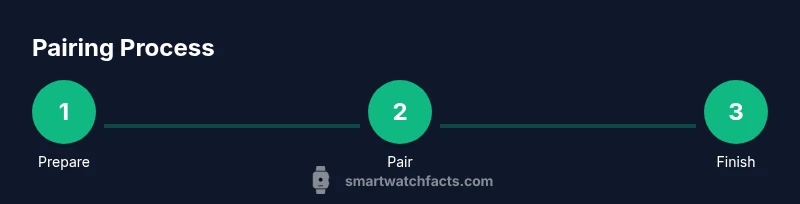
With the app installed, you’re ready to pair. The official pairing flow generally follows these core steps: 1) Put the watch in pairing mode, 2) Open the companion app on iPhone and choose Add Device, 3) Select the watch from the list, 4) Confirm the pairing request on both devices, 5) Sign in to your watch account and grant permissions, 6) Choose settings such as notifications, health metrics, and watch faces. After pairing, the watch will start syncing data and apps, and you can customize complications, quick replies, and controls. The initial setup is the gateway to reliable daily use, so take a few minutes to review your notification preferences and health-tracking options.
- Pairing usually takes 5–15 minutes depending on device compatibility.
- Ensure both devices stay within Bluetooth range during the process.
- If prompted, update firmware before completing the setup for best stability.
Troubleshooting common issues and security basics
If pairing fails, restart both devices, re-enable Bluetooth, and try the process again. Check for pending OS or app updates before retrying. If the watch requires a firmware update, allow it to complete uninterrupted. Security-wise, use a strong Apple ID password and enable two-factor authentication for any watch-related accounts. Review app permissions regularly to ensure your data is accessible to the watch as intended, but not overly exposed. If problems persist, consult the watch brand’s official support resources or Smartwatch Facts guidance for structured steps to resolve common issues.
- Restart devices before reattempting.
- Verify that both devices are on supported versions.
- Avoid third-party apps that request excessive data access during setup.
Maintenance, updates, and future optimization
After setup, regular maintenance keeps things running smoothly. Check for firmware updates on the watch and app updates on the iPhone weekly or when prompted. Review notification settings monthly to ensure only essential alerts come through, and adjust health-tracking permissions if you change devices or priorities. If you use third-party watch faces or apps, verify compatibility after major iOS updates to avoid crashes or data mismatches. Periodic re-pairing is rarely necessary but can help resolve stubborn syncing issues. Keep your devices charged, staffed with reliable memory, and connected with the latest software for optimal performance.
Real-world scenarios: workouts, sleep, and notifications
A well-set smartwatch enhances workouts, sleep tracking, and day-to-day notifications on iPhone. For workouts, ensure GPS and heart-rate sensors are enabled, and decide which metrics you want to track (distance, pace, calories, heart-rate zones). Sleep tracking benefits from consistent nightly usage; enable do-not-disturb during sleep if you don’t want distractions. Notifications should be calibrated so you receive important alerts without your wrist buzzing constantly. Organize apps in the watch interface to minimize tapping and maximize quick replies. Finally, routinely review battery life expectations—watch usage patterns can dramatically affect how long a charge lasts in real-world scenarios.
Security and privacy: what to watch for
Security basics apply whether you’re setting up a watch on iPhone or managing sensitive data. Use a strong passcode, enable two-factor authentication on accounts linked to your watch, and review app-permission settings regularly. Be mindful of data sharing through cloud services and preserve privacy by controlling which health metrics are synced to the cloud. If the watch offers a feature like ECG or blood pressure, understand its limitations and warnings. Keep firmware and apps updated to shield against known vulnerabilities, and disable features you don’t use to reduce exposure.
Final best practices and quick-start recap
- Confirm compatibility and keep both devices updated.
- Use only the official companion app for pairing and updates.
- Grant needed permissions during setup and customize notifications.
- Review privacy and security settings after initial configuration.
- Maintain routine checks for updates and battery health to sustain optimal performance.
Tools & Materials
- iPhone with latest iOS(Update to the latest iOS version recommended)
- Smartwatch (new or charged)(Ensure battery level > 20% before pairing)
- Official companion app (from App Store)(Install the correct app for your watch brand)
- Stable internet connection(Wi-Fi or cellular helps during setup and updates)
- Bluetooth enabled on iPhone(Keep Bluetooth on during the entire pairing process)
- Phone passcode/biometrics(Have passcode ready for quick authentication)
Steps
Estimated time: 25-40 minutes
- 1
Prepare both devices
Charge both devices, update your iPhone to the latest iOS, and ensure Bluetooth is enabled. This reduces mid-pairing issues and ensures smoother data syncing after setup.
Tip: Keep both devices within 1–2 feet of each other during the pairing process. - 2
Activate pairing mode on the watch
Power on the smartwatch and put it into pairing mode using the side button or the on-screen prompt. The watch should appear as a nearby device to your iPhone.
Tip: If you don’t see it, restart the watch and retry the pairing mode. - 3
Open the companion app on iPhone
Launch the official watch app, select Add Device, and let the app search for the watch. Confirm the pairing request when it appears on both devices.
Tip: If prompted, grant location and notification permissions to enable full functionality. - 4
Sign in and grant permissions
Sign in to your account and accept required permissions: Bluetooth, notifications, health data, and location as needed by the watch.
Tip: Review each permission to ensure you’re comfortable with data sharing. - 5
Choose settings and complete pairing
Select your preferred settings: watch faces, notification layout, and health metrics. Complete the pairing and allow the watch to sync data.
Tip: Finish with a test notification to confirm everything is working. - 6
Customize features after pairing
Open the watch app to personalize notifications, apps, and quick replies. Set up frequently used controls for faster access.
Tip: Keep only essential notifications to save battery life. - 7
Test health tracking and workouts
Run a quick test for heart-rate, sleep tracking, and any active workout modes you plan to use.
Tip: Calibrate sensors by performing a few minutes of light activity first. - 8
Update and finalize
Check for firmware updates on the watch and app updates on iPhone. Review all settings one final time.
Tip: Enable automatic updates if you prefer hands-off maintenance.
People Also Ask
Do I need an Apple Watch to pair with iPhone?
No. Many third-party watches work with iPhone via their own apps, though Apple Watch generally provides the broadest integration with iOS.
You don’t need an Apple Watch; many non-Apple watches pair with iPhone using their apps, but Apple Watch offers the deepest iPhone integration.
Can Android smartwatches pair with iPhone?
Some Android-compatible watches offer limited features on iPhone, but core capabilities and app ecosystems vary. Expect best results from iOS-compatible models.
Some Android watches work with iPhone, but features can be limited compared to iOS-compatible options.
What permissions are typically required during setup?
Bluetooth, notifications, health data access, and location are commonly requested depending on the watch. Grant only what's necessary for your use.
You'll usually grant Bluetooth, notifications, and health data permissions, plus location if the watch needs it.
What should I do if pairing fails?
Restart both devices, ensure you’re using the latest app versions, and retry. If problems persist, reset the watch and retry the pairing flow.
If pairing fails, reboot both devices and try again; a reset of the watch can help if needed.
Will my health data sync across devices?
Yes, health data typically syncs to the watch app account and cloud services if enabled. Verify that cloud sync is active in settings.
Health data usually syncs to your watch app account and cloud if you enable that feature.
How do I troubleshoot notifications not appearing on iPhone?
Check Do Not Disturb and Focus modes on iPhone, verify notification permissions in both iPhone settings and the watch app, and ensure the watch isn’t muted.
If you don’t see notifications, check Do Not Disturb, app permissions, and mute settings on both devices.
Watch Video
Key Points
- Verify compatibility before purchase or setup.
- Install the official companion app first.
- Grant required permissions during setup.
- Customize notifications and health metrics after pairing.
- Keep devices updated to maintain security and performance.